
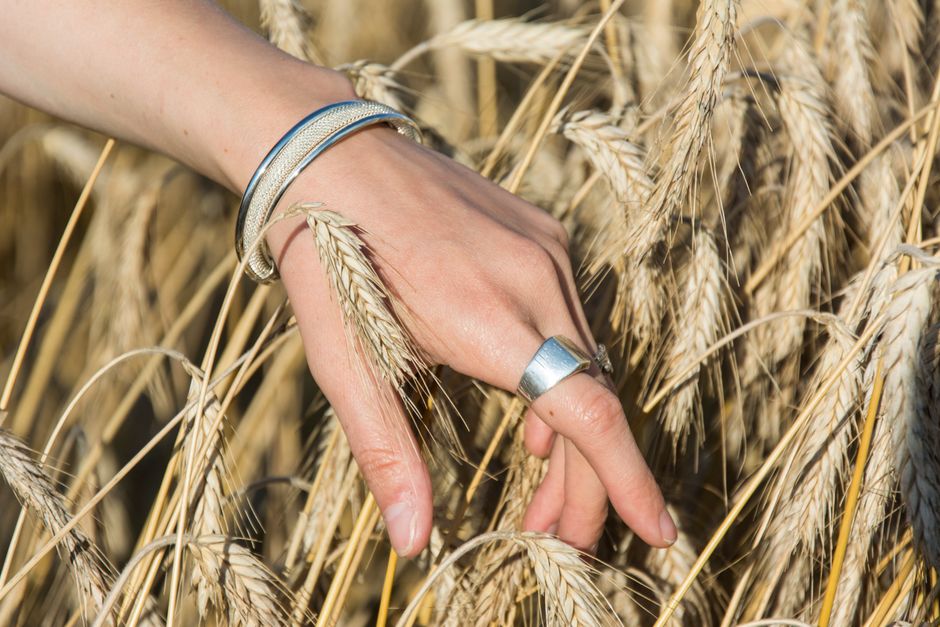
A silver cuff can bring focus to a simple shirt, especially when the sleeve leaves enough wrist visible for its shape to stand out. The effect depends on where the fabric ends, how the bracelet sits and what happens when you move your arm. Begin with one shirt and one cuff, then adjust them together. A small change to the sleeve roll often makes more difference than adding another piece of jewellery.
Wearing Silver Cuffs with Rolled Shirt Sleeves
This combination works particularly well when the shirt keeps some of its relaxed character. You can leave the collar open, tuck the hem or wear it loose according to the outfit. Give the cuff a clear space at the wrist and let its finish provide the detail. From there, consider sleeve structure, bracelet fit and the balance of the whole look.
Choose a cuff that sits comfortably
Try the bracelet on before rolling your sleeves. Notice where it naturally rests and how far it moves when you lower your hand. The edges should feel comfortable during ordinary movement. An open cuff also needs to stay secure without making it difficult to put on according to its design.
Follow the maker’s fitting instructions, particularly if the cuff has stones, plating or a rigid construction. Some designs allow limited adjustment, while others require the correct size from the start. Avoid repeatedly bending a bracelet to get it over your wrist. Ask the maker or a jeweller about fit when the intended method is unclear.
Width affects how much visual space the cuff occupies. A broad design creates a strong block at the wrist, while a narrow cuff leaves more skin visible around it. Try each against the shirt fabric. A wide bracelet can look striking with crisp cotton, and a smaller design can give a soft shirt a restrained finishing detail.
Build a sleeve roll that stays in place
Unbutton the shirt cuff and any sleeve opening fastening that needs releasing. Fold the cuff back, then continue with folds that follow its width. Smooth the fabric as you go so the roll does not become a twisted band. Stop where the sleeve feels comfortable when you bend your elbow.
Leave a visible gap between the rolled edge and the bracelet. The exact space depends on your arm, the shirt and the cuff’s width. You should be able to move without the fabric constantly covering the jewellery. If the roll slips down immediately, try a smaller fold or a shirt with more structure.
Look at both sleeves together. They can feel relaxed without being dramatically different in height or bulk. If one arm carries the silver cuff, check that the other sleeve still looks intentional. Keep the rolls loose enough for comfortable movement, especially when the shirt fabric has little give.
Let shirt fabric guide the styling
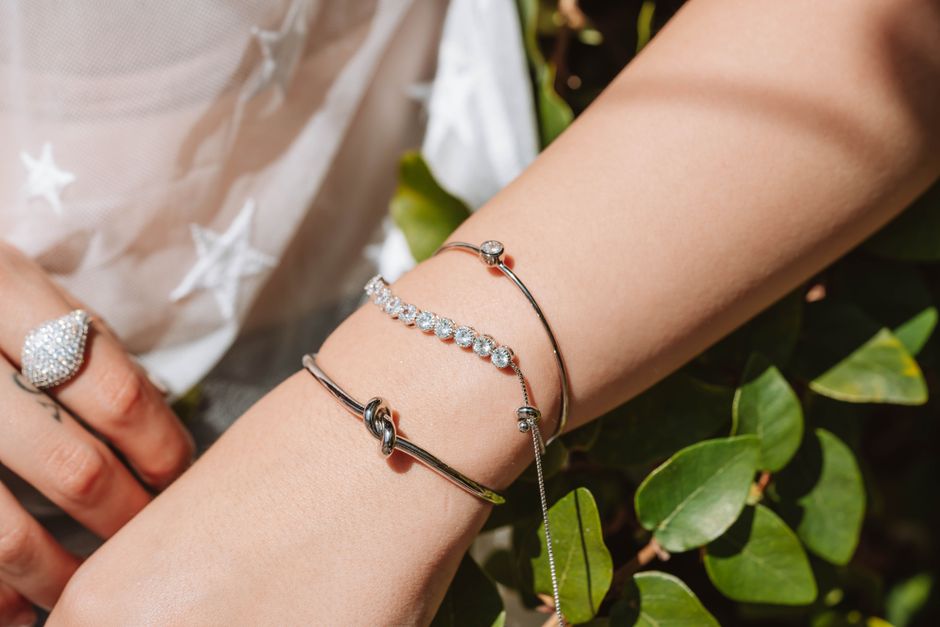
A crisp white cotton shirt gives a polished silver surface a clear background. Try a broad cuff with straight trousers and a simple belt, allowing the wrist to become the main jewellery detail. Smooth the sleeve folds carefully so their shape complements the clean lines of the bracelet.
A blue chambray shirt creates a softer combination. A brushed or textured silver cuff can sit comfortably within that relaxed mood, particularly with dark jeans or casual trousers. Leave the shirt slightly open at the neck if that suits you, and keep the rest of the accessories easy to wear.
With a fluid shirt, check whether the roll holds its shape before committing to the look. Several tight folds may create a bulky ridge, while a looser turn may slide down. Try the shirt during a few normal movements. If you keep having to rebuild the roll, choose a different sleeve position or a more cooperative fabric.
Balance the cuff with your other jewellery
Begin with the cuff as the only bracelet on that arm. This makes its fit and relationship to the sleeve easy to judge. Add a ring if you enjoy the combination, then look at your hand with the fingers relaxed. A substantial ring and a broad cuff create a stronger focal area than a slim band does.
If you wear a watch, try placing it on the opposite wrist. That gives each piece room and can reduce contact between their surfaces. Consider how your wrists rest at a desk or table as well. A combination that looks appealing in a mirror should also feel comfortable through your normal activities.
You can repeat silver elsewhere with small earrings or a simple necklace. The pieces do not need identical finishes. Compare their shapes and scale, and keep the overall effect comfortable to your eye. If your shirt has decorative buttons or prominent embroidery, allow those details space when choosing additional jewellery.
Adapt the combination to different settings
For a working day
Wear a pale shirt with charcoal trousers and a smooth cuff that feels comfortable while typing. Keep the roll stable and check where the bracelet touches the desk. If it knocks or presses against your wrist, adjust its position within the intended fit or choose a smaller design for that day’s tasks.
For an unhurried weekend
Try an oversized striped shirt, relaxed trousers and a textured cuff. A partial tuck can introduce some shape at the waist while leaving the sleeves casual. Keep your bag strap from catching the bracelet when you reach inside. Simple shoes leave the silver detail easy to notice without requiring a dressy outfit.
For an evening outfit
A dark shirt with rolled sleeves gives silver a distinct outline. Pair it with tailored trousers or a clean-lined skirt, then choose one cuff with a shape you enjoy. Check the bracelet under indoor lighting, where a highly polished surface may become a more prominent part of the outfit.
Check movement and care at the end
Before leaving, bend your elbows, reach for your bag and sit down. These movements reveal whether the sleeve catches an open edge or pushes the cuff into an awkward position. Make adjustments while you can still see the whole outfit. The jewellery should remain comfortable without demanding repeated attention.
After wear, follow the care instructions for the cuff’s specific materials and finish. Store it so it does not rub against other pieces. When the shirt and bracelet are ready for their next outing, you can repeat the combination easily, changing the trousers or neckline while keeping the wrist detail that makes the look feel considered.