
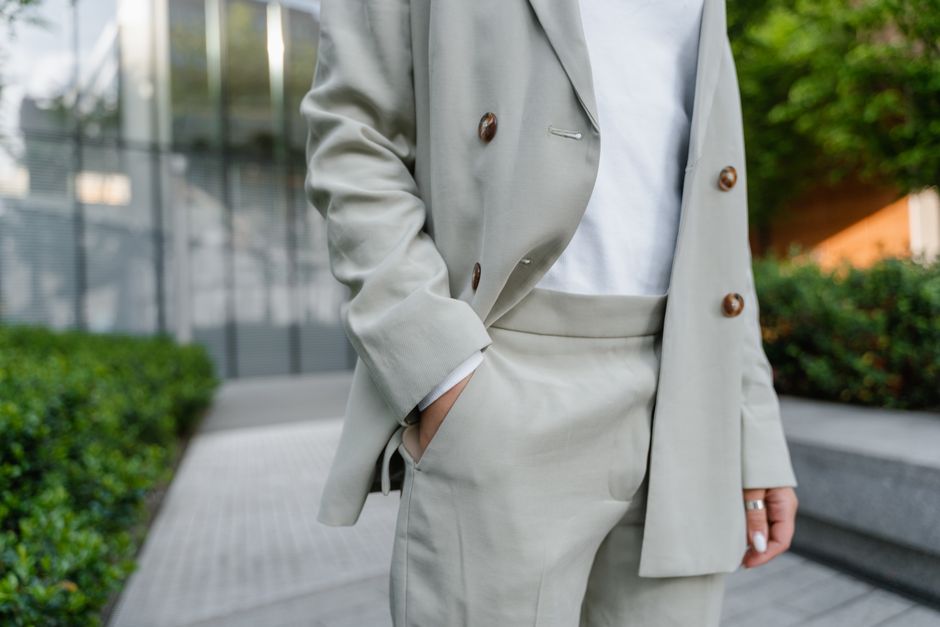
A linen blazer is useful on days when a bare shirt feels unfinished but a heavy jacket feels excessive. Its appeal is the combination of a recognisable tailored shape and a relaxed fabric surface. Styling it well comes down to deciding how much structure the rest of your outfit needs, then adjusting the layers as the day changes.
How to Style a Linen Blazer for Mild Days
Start with the blazer you actually have. A roomy, unlined jacket behaves differently from a fitted style with a substantial lining. Put it on over a simple top and notice where the shoulders sit, how the front hangs and where the hem finishes. Those details are more useful than assuming every linen blazer needs the same outfit.
Try it both open and fastened. If you plan to wear it open, the fronts should hang comfortably without constantly sliding backwards. If you want to button it, check that you can sit and reach forward without pulling across the chest. Fit gives the relaxed fabric a clear shape.
Choose a light layer underneath
A smooth cotton T-shirt is a straightforward starting point. Choose a neckline that sits comfortably within the lapels, and check whether the sleeves bunch beneath the blazer. A close but comfortable fit can be helpful under a jacket with narrow arms, while a roomier blazer allows more choice.
For a smarter effect, try a simple woven shell or a fine knitted top. Keep decorative details away from places where they will catch or create bulk under the jacket. If the blazer has a textured weave, a quieter top gives that texture room to be part of the outfit.
Think about what happens when you take the blazer off. Your base outfit should feel complete on its own, including any necessary coverage under light fabrics. Stand near a window to check transparency and visible seams. Mild weather often means wearing and carrying the same jacket at different points in the day.
Use denim to set a relaxed mood
Pair a linen blazer with plain denim when you want a casual outfit with a defined upper half. The jeans can be straight, gently tapered or wider through the leg; the important relationship is between their volume and the blazer’s shape. A very roomy jacket and generous jeans create a different silhouette from a fitted jacket and narrow trousers.
If the outfit feels shapeless, show a little waistband with a tucked or shorter top. You can also try leaving the blazer open to reveal a clear line down the front. These small adjustments often change the balance without requiring a different pair of jeans.
Finish with clean trainers or a simple flat shoe, depending on the plans for your day. Keep the bag relatively unfussy if you want the blazer to feel casual. A soft tote suggests errands and an easy lunch; a compact structured bag brings more definition to the same clothes.
Build a softer tailored outfit
For a lunch meeting, gallery visit or smart daytime appointment, wear the blazer with relaxed tailored trousers. They do not need to be a matching suit. A cream jacket over darker trousers gives clear separation, while neighbouring shades of brown or grey create a quieter transition between the pieces.
When combining similar colours, look at them together in daylight. Some near matches feel harmonious, while others seem accidental because their undertones pull in different directions. Adding an obviously different top can help make the combination look deliberate, especially when the jacket and trousers are close but not identical.
Choose trousers that fall cleanly with your shoes and check the back view for excess fabric. The blazer already introduces some softness through its texture, so pressing the trousers and keeping the shirt neat can provide enough polish. You do not need to eliminate every crease from the linen.
Work with a dress without hiding its shape
A plain dress offers an easy base when you want fewer separate pieces to coordinate. Try a straight or gently shaped dress under an open blazer, checking where both hems land. There is no universal correct jacket length, but the combination should let you move comfortably and see the dress’s intended line.
If a full skirt bunches beneath a long blazer, try a jacket with more room through the hips or a shorter cut. Alternatively, keep the blazer open and see whether the fabric can fall freely. Do not force a tight button closure over a dress that needs space to move.
Match the level of detail to the occasion. A simple dress, linen blazer and understated shoes can suit a daytime meal, while a textured bag or a decorative earring makes the outfit feel more considered. Choose a single finishing detail before adding several competing accessories.
Adjust colour and sleeves with intention
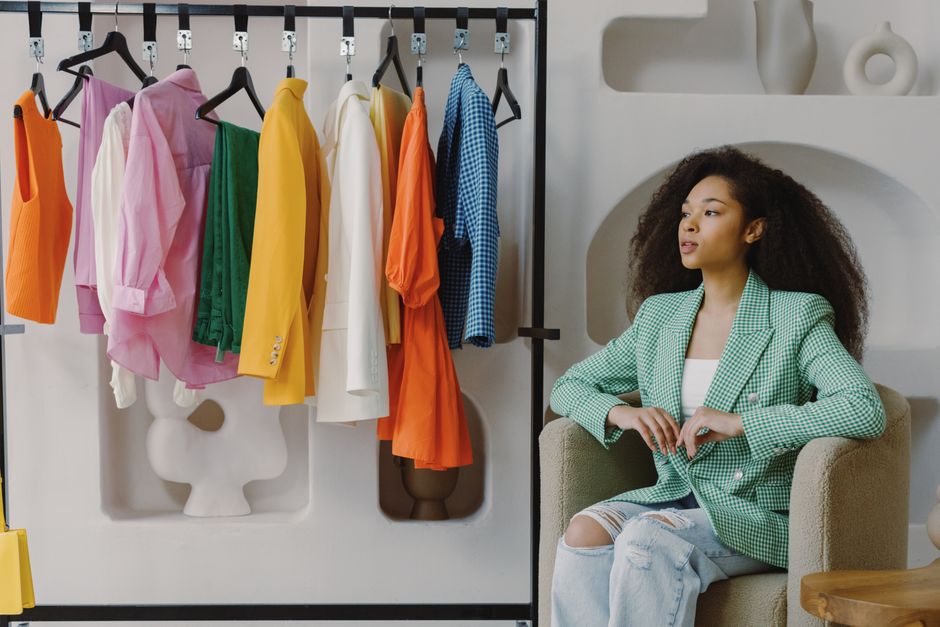
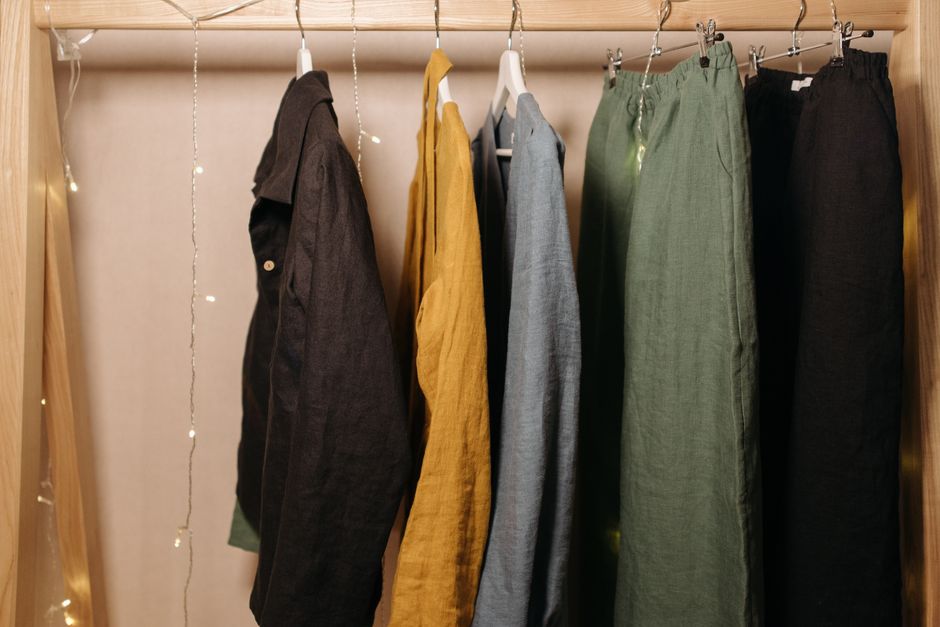
Natural linen shades are easy to combine, but a coloured blazer can be equally useful. Let a muted blue or green jacket lead by wearing it over plain neutrals. If you prefer stronger contrasts, repeat a small amount of the jacket colour elsewhere rather than trying to match every accessory.
Rolling the sleeves can make the outfit feel less formal, provided the fabric and lining cooperate. Turn the cuff neatly and check that it stays put without squeezing your forearm. If the blazer has bulky seams or a contrasting lining you dislike, leave the sleeves down instead.
Be careful with heavy items in the pockets. A phone or crowded key ring can distort a light jacket’s front and change the way the hem hangs. Carry those items in your bag when possible, and use the mirror to judge the blazer after filling any pockets you intend to use.
Keep the finish relaxed and cared for
Linen creases as you wear it, so aim for a tidy starting point rather than a perfectly smooth afternoon. Follow the garment’s care label for cleaning, pressing and steaming. Pay attention to the collar and lapels, where a little care can restore the jacket’s shape without flattening every natural variation in the cloth.
- Check the forecast before relying on a light blazer as your only outer layer.
- Try your chosen top with the jacket both on and off.
- Test sitting, reaching and carrying your everyday bag.
- Hang the blazer after wearing it rather than leaving it folded in a heap.
The most useful combination is one you can adjust without rethinking your entire outfit. Once the blazer fits comfortably over your base layer and works with the volume below it, small changes in shoes, colour and accessories are enough to give it a different purpose.