
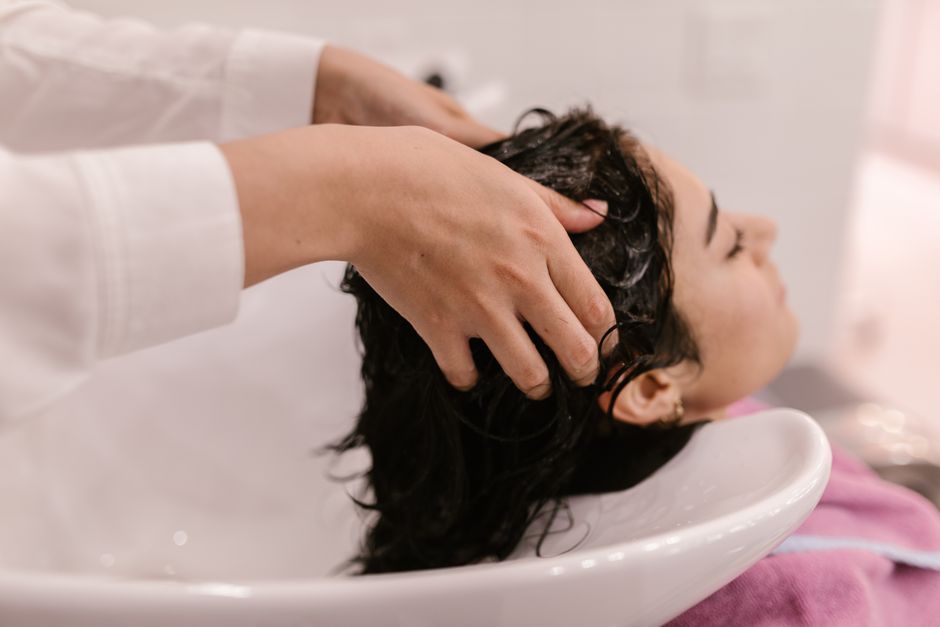
After a swim, hair can feel tangled, rough or simply less manageable than it did before you entered the water. A useful routine does not need a shelf of specialist products. Start by rinsing, wash with a product suited to your hair, then condition and handle the lengths gently. Keeping those steps straightforward makes it easier to repeat them after a quick pool session or a long afternoon by the sea.
A Simple Haircare Routine After Swimming
Build your routine around what your hair actually needs when you leave the water. Short hair may only need washing and a little conditioner, while long or tightly curled hair may need more time for careful detangling. Colour-treated lengths can have their own product requirements. Use the instructions on your hair products as your starting point rather than adding every treatment labelled for summer.
Keep a small wash bag ready with shampoo, conditioner, a suitable comb and a soft towel. If you normally use a leave-in product, include that too. Choose containers that close securely, and label decanted products so there is no confusion in the shower. A routine is easier to maintain when everything you need is already beside your swimming things.
Rinse before you start washing
Use fresh water to rinse your hair after swimming, working from the scalp through the ends. Let the water flow through the hair rather than immediately piling it on top of your head. Gently separate thick sections with your fingers so the water can reach underneath. At the beach, take care to rinse away loose sand without scrubbing it through the lengths.
If a shower is unavailable, use the fresh water you have for an initial rinse and finish the routine when you can wash properly. Avoid repeatedly dragging a brush through hair that still feels gritty or resistant. Loosely containing the hair until you have suitable washing facilities is more practical than trying to force it into a polished style immediately.
Choose the right wash for that day
Use your regular shampoo if it leaves your hair feeling clean and comfortable after swimming. Wet the hair thoroughly, distribute the shampoo over the scalp and massage with the pads of your fingers. Let the lather move through the lengths as you rinse. There is usually no styling benefit in vigorously rubbing the ends together or scratching the scalp with your nails.
If your usual wash leaves persistent residue or your hair feels coated, a product specifically labelled for swimmers may be worth considering. Follow its directions, including any guidance about coloured or chemically treated hair. A clarifying product is not automatically the right choice after every swim. Consider how often you swim and how your hair feels between washes before making it a regular step.
Rinse shampoo out carefully around the hairline, behind the ears and underneath long hair. Before reaching for more product, check whether the first application has done the job. Extra washing can make the routine longer without solving a problem caused by incomplete rinsing. You want hair that feels ready for conditioner, without chasing a particular squeaky sensation.
Condition before tackling stubborn tangles
Apply conditioner according to its instructions, concentrating on the areas that need slip and softness. For many people that means the mid-lengths and ends, while keeping a heavy formula away from roots that flatten easily. Spread it evenly with your hands before detangling. Give the product the contact time stated on the packaging rather than assuming longer is always better.
Begin with your fingers if the hair is especially knotted. Work on small sections, easing apart the ends before moving higher. If you use a wide-tooth comb, support the section with your other hand so each pass does not pull directly at the scalp. Stop when you meet resistance, return to the knot and loosen it rather than repeatedly combing harder.
Curly and coily hair may be easier to detangle in conditioned sections, following your usual approach. Fine hair may need a lighter conditioner and a smaller amount. Rinse as directed, then notice the result once the hair dries. If it feels weighed down, adjust the amount or placement next time before deciding you need an entirely different routine.
Dry gently and keep styling uncomplicated
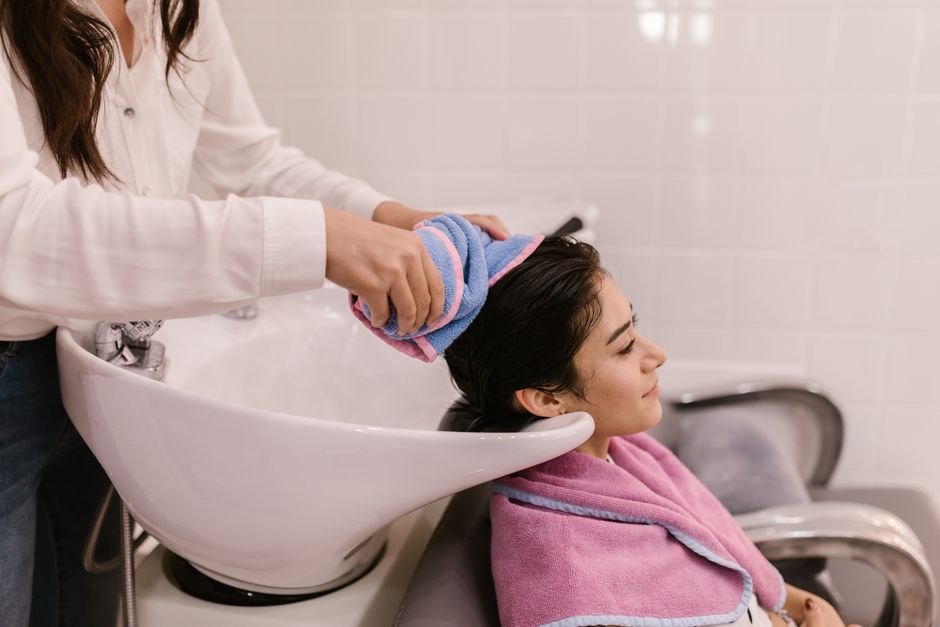
Squeeze out excess water with your hands, then press the lengths in a soft towel or smooth cotton T-shirt. Avoid twisting the hair tightly into a heavy bundle. If a towel wrap pulls at the hairline, shorten the wrapping time or switch to pressing sections instead. The aim is to remove drips while leaving the hair easy to arrange.
Apply a familiar leave-in conditioner or styling product if your hair needs it, following the label. Start with a modest amount and distribute it evenly. A leave-in step is optional, particularly if your rinse-out conditioner already gives you the finish you want. Adding oil, cream and serum together can make it harder to tell which product is helping.

Pick a comfortable after-swim hairstyle
When the hair is ready to arrange, choose a style that does not need force or tight tension. A loose braid can contain long lengths, while a low, relaxed ponytail keeps them off your face. Use a smooth tie and avoid pulling damp hair tightly to create a sleek finish. Short hair may need only a gentle finger-comb into its usual shape.
If you prefer a blow-dry, blot away excess water first and use your usual heat protectant as directed. Choose a comfortable heat setting and keep the dryer moving. You do not need a perfectly smooth finish after every swim. Letting the hair retain some natural texture can reduce the amount of restyling you feel obliged to do.
Make frequent swimming easier to manage
Before the next swim, gently detangle your hair so you begin without existing knots. A swimming cap may help contain it, although you should not assume it will keep every strand dry. Make sure the fit feels comfortable and remove it carefully rather than dragging the edge across the hairline. Follow pool rules about any products used before entering the water.
At home, take wet hair tools and towels out of your bag so they can dry, and rinse reusable containers if product has leaked. Notice any recurring difficulty, such as tangled ends or roots that feel overloaded, and adjust one step at a time. A simple rinse, thoughtful wash, conditioner and gentle finish gives you a clear routine to return to after each swim.