
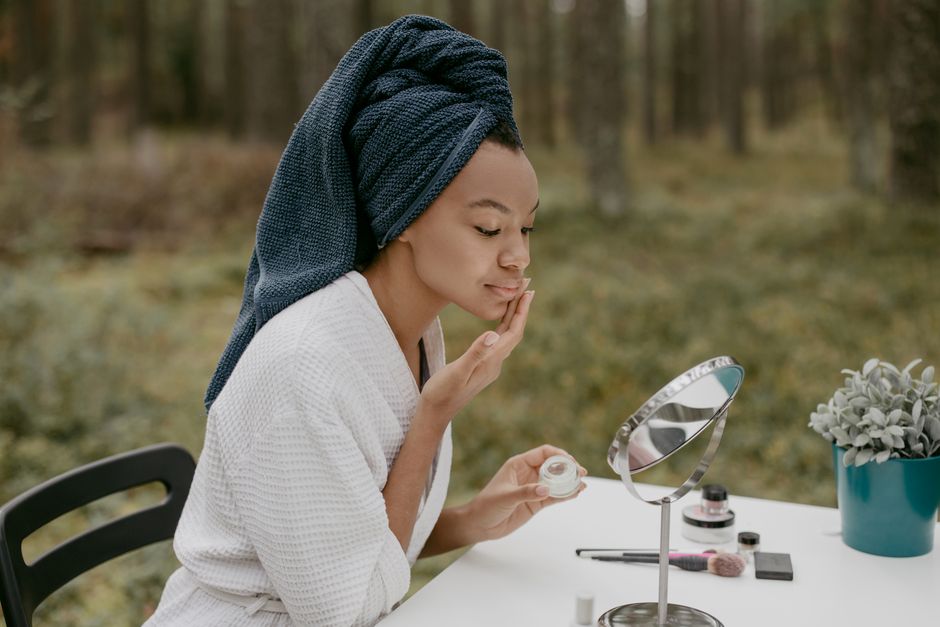
A moisturiser that felt comfortable through warm weather can start to feel a little too light when your surroundings change. Even so, reaching for the thickest cream in the cupboard is not always the most useful next step. You may want more comfort on your cheeks while still preferring a lighter finish elsewhere. Easing in a richer texture gives you room to discover what works with your skin, your makeup, and the products you already use.
Easing Richer Moisturiser into Your Autumn Routine
Keep this adjustment small and specific. Rather than replacing your whole skincare shelf, look at how your current moisturiser feels after application and later in the day. The aim is a comfortable finish that suits your needs, not a particular texture simply because autumn has arrived.
You might prefer a richer cream only in the evening, only on certain areas, or only when the air feels especially dry. Keeping your familiar lighter option available makes those choices easier. There is no need for every application to look identical.
Notice what you want to change
Before opening another product, identify the practical problem. Does your face feel tight after cleansing? Does foundation look less smooth around your cheeks? Or do you simply dislike how quickly your current lotion seems to disappear? These observations give you a clearer starting point than the word rich on a jar.
Also consider how you are applying your current product. A rushed dab on only the centre of your face can leave other areas overlooked. Follow its directions and distribute it evenly before deciding it needs replacing. Avoid adding extra steps at the same time, since that makes the result harder to interpret.
Texture preferences matter too. A cream can feel cushioning without leaving the finish you enjoy, and a substantial balm may feel inconvenient beneath your usual base makeup. Choose a change you will comfortably use, rather than a product that sounds impressive but feels wrong every morning.
Choose one manageable texture step
If you usually use a very fluid lotion, consider a cream with a little more body before moving to a dense balm. Labels such as lotion, cream, and balm offer a rough description, but products within each group can feel quite different. Read the application instructions and any information about the intended finish.
A small sample, when available, can help you judge spreadability and residue before committing to a larger container. Keep expectations modest: a first application can tell you whether you like the texture, but it cannot tell you everything about how a product will suit repeated use.
Avoid choosing solely by fragrance, packaging, or how luxurious the cream looks on your hand. Think about the moments when you will use it. A product that sits comfortably beside your existing routine has a better chance of becoming useful than one that demands several other changes.
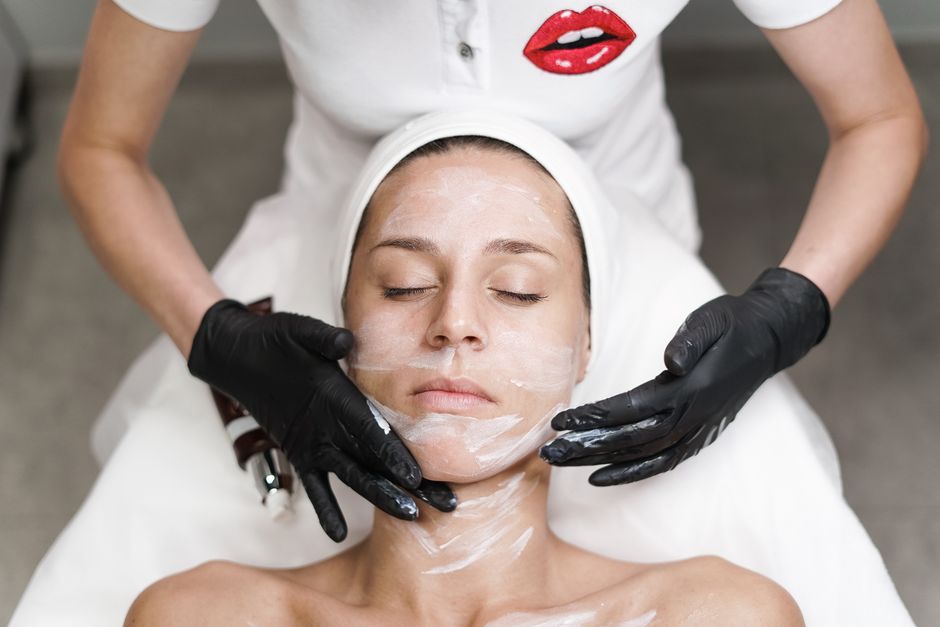
Introduce it when you can observe the finish
Choose an uncomplicated moment for the first application. Trying a new texture just before an important makeup day makes it harder to decide whether you enjoy it. Follow the product’s directions and any guidance it gives for checking suitability before normal use.
Keep the surrounding routine familiar. Use your usual cleanser and leave unrelated new products unopened for now. If several things change together, you lose the simple comparison between your old moisturiser and the richer option.
After application, notice comfort as well as appearance. Does the cream spread easily? Does it leave a finish that feels pleasant against your pillow or hairline? If you experience irritation, stop using it rather than treating discomfort as a necessary stage of adjustment.
Give different areas different amounts
Your face does not have to receive one uniform layer. If your cheeks prefer the richer texture while your forehead feels comfortable with your usual lotion, apply each where it makes sense. Keep the application straightforward so you can repeat it without turning the bathroom counter into a mixing station.
Start with the amount suggested on the packaging. Spread it gently and assess the finish before adding more. Repeatedly layering extra cream because the surface does not look glossy can leave you with more residue than you wanted.
Take care around areas the product instructions exclude. A general face cream is not automatically intended for the eyelids or immediate eye area. You can make a useful texture adjustment without extending it to every part of your face.
Keep mornings compatible with makeup
A richer moisturiser may change how your usual foundation spreads or settles. Try the pairing on a low-pressure morning and let the cream settle before moving to the next product. There is no universal waiting time that suits every formula, so watch the finish and follow the directions for the products involved.
If the base slides around, consider whether you used more cream than needed. If layers roll into small crumbs, simplify the combination for your next attempt and change one element at a time. Adding more primer or powder immediately can make the original issue harder to judge.
Keep moisturiser and sun protection as distinct steps according to their instructions. Mixing products together in your palm makes the amounts and application less predictable. Your richer cream should fit into the morning you already have, with enough room for the rest of your routine.

Use evenings for a different balance
You may enjoy the richer product at night while keeping your familiar lotion for daytime. That arrangement lets you choose a more substantial finish without having to make it work beneath makeup. It also avoids buying a second new product simply to solve a morning texture issue.
Keep application practical. Tie back your hair if it tends to fall across your face, use clean hands, and close the container after use. Follow the storage and opening-period guidance on the packaging rather than saving a half-used jar indefinitely for the next season.
Review the change without chasing perfection
Use a few simple observations to decide whether the adjustment belongs in your routine:
- Does your skin feel comfortable after application and later on?
- Do you like the finish enough to use the product consistently?
- Can you apply it without complicating the rest of your routine?
- Would a smaller amount or more targeted application suit you better?
You do not need a glossy surface or an elaborate sequence to count the change as worthwhile. If the richer cream suits evenings but feels excessive in the morning, that is useful information. If your original lotion still feels best most days, keep using it.
Let the season prompt a check-in rather than dictate a purchase. The most useful autumn adjustment is one you can explain clearly: a little more comfort where you want it, in a texture you enjoy, with the rest of your routine still easy to follow.