
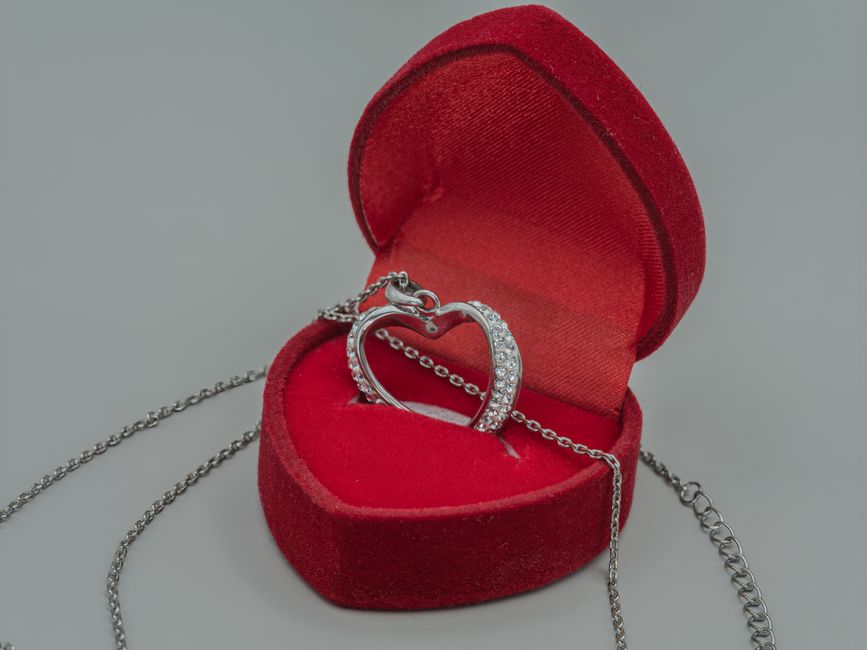
Heart jewellery can belong in your everyday wardrobe long after the calendar moves past February. The shape is familiar, but its effect changes with scale, finish and the clothes around it. A tiny brushed heart can feel quietly personal; a large sculptural version can become the focal point of an otherwise plain outfit. Choosing how you wear the motif makes it easier to enjoy a meaningful piece without reserving it for a particular occasion.
Heart Jewellery You Can Wear Beyond Valentines Day
Start with the jewellery you already own. Place your heart piece beside your regular watch, earrings and rings, then look for a shared quality. It might be a rounded silhouette, a softly worn finish or a similar metal colour. That connection can make the heart feel like part of your usual style rather than an addition that needs its own special outfit.
The meaning can remain private. You do not need to explain whether the piece was a gift, a personal purchase or something inherited. Styling it as an ordinary wardrobe favourite gives you room to appreciate both its design and any association it holds.
Choose the version of the shape you enjoy
A heart does not have to be symmetrical, sparkling or delicate. An elongated outline feels different from a plump, rounded charm. An open design allows fabric or skin to show through, while a solid pendant creates a clearer block of metal. Look at the outline first, before deciding whether the motif suits you.
Surface matters too. A polished finish catches attention when it moves; a satin or hammered finish may look softer against knitwear. Stone details add another layer of colour or reflection. If your clothes already include decorative buttons or bright prints, a simpler heart can be easier to wear regularly.
Think about weight as well as appearance. Earrings that feel comfortable briefly may become distracting during a full day. A pendant should hang without pulling its chain into an awkward position. If you can, handle the piece and check how it moves before making it part of your daily rotation.
Make a pendant work with ordinary clothes
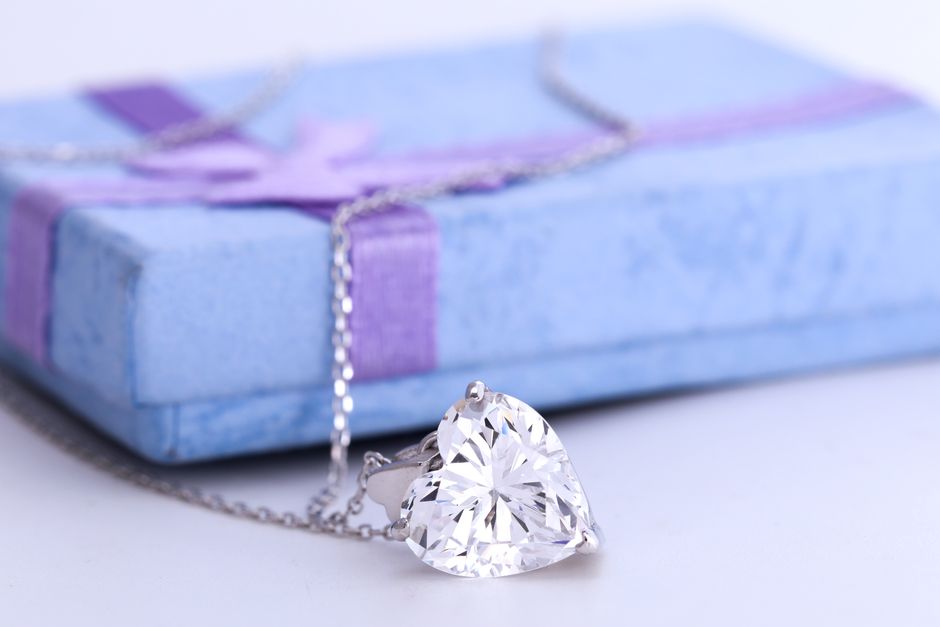
A heart pendant looks particularly straightforward against a plain crew neck or an open shirt. Adjust its position so it rests clearly above the neckline or clearly on the fabric. When it catches repeatedly on the edge, even an attractive combination can feel fussy. Try the chain at its available settings before changing your clothes.
With a buttoned shirt, leave enough space for the pendant to hang naturally within the opening. You do not have to unfasten more buttons than feels comfortable. If the necklace disappears behind the placket, wear it over a fine knit instead, or choose heart earrings for that particular shirt.
For a casual outfit, use the pendant as the finishing touch to a cotton top, jeans and a familiar jacket. The everyday setting changes its mood immediately. A romantic symbol does not require lace, pink fabric or a dressed up shoe to make sense.
Let earrings bring the motif closer to your face
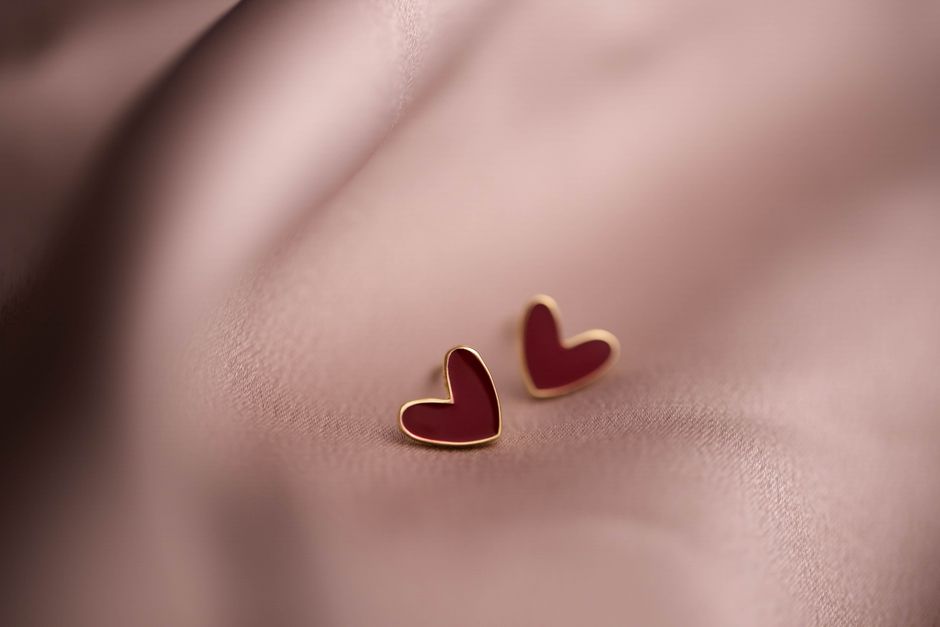
Small heart studs can take the place of your usual plain studs without changing the rest of your routine. Their outline adds a little detail when your hair is tucked behind your ears. If you wear several earrings, leave some space around the heart so that its shape remains readable.
Drops and hoops with heart details create more movement. Pair them with a straightforward shirt or a clean neckline, and check that they do not repeatedly strike a collar. A rounded pendant on the ears can look balanced with a watch and simple rings; a necklace is optional.
Consider your practical day as well as the mirror. Headphones, scarves and coat collars may interfere with larger earrings. For a busy commute, a compact shape might be the piece you reach for most often. Save longer styles for days when they will have room to move comfortably.
Wear heart rings and bracelets without creating clutter
A heart ring can act as a small sculptural accent, especially against plain sleeves and clean tailoring. Try it alone first. Then, if you want company, add a narrow band or another ring with a quieter profile. Leave enough room that the pieces do not press uncomfortably against each other.
Notice whether the heart sits high above the finger. Raised details can catch on pockets, gloves or delicate fabrics. That does not make the design impractical for everyone, but it may determine when you enjoy wearing it. A lower profile shape can be an easier everyday choice if your hands are constantly busy.
With a bracelet, check how the charm behaves while typing or resting your wrist on a table. Some people enjoy movement; others prefer a fixed detail that stays in place. Wear the bracelet without other wrist jewellery at first, then add your watch only if the combination feels comfortable and does not knock together.
Balance sweetness with shape and texture
If a heart feels more delicate than your usual style, surround it with pieces you know well. A crisp shirt, a simple jacket or dark denim provides a clear setting. The contrast lets the jewellery retain its character without requiring the whole outfit to follow a romantic theme.
You can also make the shape feel more graphic. Wear an oversized outline heart against a plain dark top, with clean trousers and an uncomplicated bag. In that setting, the silhouette becomes the main design feature. Keep other jewellery small enough that the central shape remains easy to see.
For softer dressing, try a small heart with a fine knit and relaxed trousers. Repeat rounded shapes sparingly through a curved bag or smooth buckle if you like a connection. Repeating the heart itself across every accessory can make the outfit feel themed, so start with one focal piece and assess the result.
Decide how much metal mixing you want
Your heart does not have to match every fastening on your clothes. A silver pendant can sit comfortably in an outfit with a warm metal belt buckle, particularly when the two are far apart. Look at the overall distribution of shine rather than inspecting every hardware detail in isolation.
If mixing jewellery metals feels unfamiliar, use a simple arrangement: keep the pieces nearest the heart quiet and introduce the second metal through one familiar item, such as your watch. You can then judge the balance without several new combinations competing at once. Personal preference matters more than a rigid matching formula.
Keep the piece ready for regular wear
Check the clasp, chain and any small joining rings periodically, especially on a pendant you reach for often. Follow the maker’s care instructions because plating, stones, pearls and solid metals can need different treatment. Store the piece so that harder jewellery cannot rub against its surface or tangle around its chain.
Build a few easy pairings from clothes already in your wardrobe and notice which feel most natural. Perhaps the pendant belongs with your everyday shirt, while the earrings suit a plain knit. Once those combinations are familiar, the heart becomes another useful part of getting dressed, carrying its meaning through ordinary days as comfortably as special ones.