
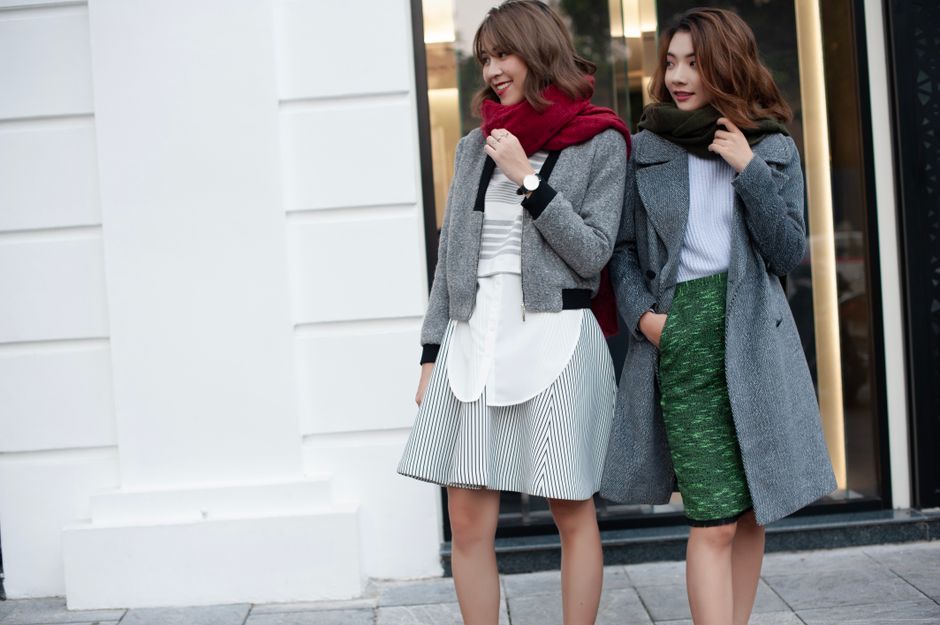
A slip skirt can earn its place in a late winter wardrobe when you build warmth around its light, fluid shape. The trick is to consider the layers underneath as carefully as the jumper and coat above. A skirt that clings to tights, twists around a boot or pulls beneath a thick waistband will never feel effortless. Start with comfortable foundations, then balance the skirt’s movement with warmer fabrics and useful coverage.
Layering a Slip Skirt for Late Winter
Before planning an outfit, try the skirt on with the underlayers you expect to wear. A slip skirt that falls beautifully on bare legs may behave differently over winter hosiery. Walk, sit and take a few longer steps. Watch for catching around the thighs, a rising hem or a waistband that shifts when you move.
Look at the fabric rather than assuming every shiny skirt is silk. Satin describes a weave, and care requirements depend on the actual fibre and construction. Read the label before steaming, ironing or treating static. A good winter outfit begins with knowing what the garment will tolerate.
Build a smooth layer underneath
Choose tights with a comfortable waistband and a surface that allows the skirt to move. Very textured hosiery may grip some skirt fabrics, while prominent seams can show through a fine material. Try the combination in daylight, checking the back and sides as well as the front.
If the skirt catches, a suitable smooth underskirt may help separate the layers. Check its length and shape so it stays hidden when you sit or climb steps. Another garment underneath can add bulk, so make sure the skirt still has enough room through the hips. More layers only help when each one fits comfortably.
On colder days, a fine thermal top tucked into your tights or base layer can keep your torso covered without filling the skirt waistband with thick knitwear. Arrange the layers carefully so their edges do not create an uncomfortable ridge. You should be able to breathe and sit normally once everything is in place.
Give your knitwear a deliberate finishing point
A jumper that ends around the top of the hip can balance a fluid midi skirt without hiding all of its shape. If the hem is much longer, look at where it crosses the skirt’s widest point. A slight adjustment can change the proportions more effectively than adding a belt.
For a loose knit, try a small front tuck only if the fabric and waistband accommodate it comfortably. You want a hint of definition, not a thick roll beneath the satin. A shorter jumper worn untucked can give a similar sense of shape with fewer layers trapped at the waist.
A closer fitting roll neck offers another route. It keeps the upper half neat while the skirt provides movement below. Wear a thin base layer underneath if needed, and check that the combined hems stay smooth. If you prefer a relaxed silhouette, leave the knit loose and use a structured coat to frame it.
Connect the skirt to your boots
Knee high boots can provide coverage beneath a midi hem, creating an overlap rather than an exposed strip of leg. Check that the skirt glides over the boot shaft. A very wide or heavily embellished shaft may interrupt the drape, especially with a narrow skirt or a lightweight fabric.
Ankle boots can work too. Opaque tights in a related colour create continuity between the hem and footwear. The colours do not need to match perfectly, but a clear connection can make the outfit feel settled. Look at the combination while moving, since the gap changes with every step.
Choose soles and heel shapes for the actual route you will walk. A substantial boot can ground a delicate skirt visually, but appearance does not guarantee grip. If the weather makes your usual skirt length impractical, change the outfit rather than spending the journey holding a wet hem above the pavement.
Use your coat to control the silhouette
A long coat gives the skirt protection and creates a continuous outer line. Try it fastened as well as open. The skirt should have space to move beneath it, especially if the coat narrows towards the hem. A coat that compresses everything underneath may cause the skirt to twist as you walk.
A shorter jacket creates a stronger break at the waist or hip. This can look purposeful with a flowing skirt, provided your torso remains warm enough. Put the warmest, thinnest layer close to the body and let the jacket establish the shape. Avoid relying on a cropped outer layer alone when the temperature calls for more coverage.
Check the relationship between both hems. A little skirt showing below a coat can look attractive, while a larger difference can make the skirt the focus. There is no universal ideal length. Judge the arrangement with your boots on and your bag in place, because those elements change the visual balance.

Combine winter textures without overwhelming the skirt
The smooth surface of a slip skirt sits well beside woolly, ribbed or softly brushed fabrics. You only need one clear textural contrast to make the combination interesting. If the knit is especially chunky, keep your bag and boots simple so that the skirt’s movement remains visible.
A dark skirt with a slightly lighter knit is an easy starting point. Charcoal with grey, deep brown with oatmeal or navy with a muted blue can feel cohesive without exact matching. If your skirt is pale, darker boots and a substantial coat can give it enough visual grounding for the season.
Prints need the same attention to scale as textures. A patterned knit can work with a plain skirt, but first check whether the colours speak to each other. If the outfit feels busy, change one supporting item before abandoning the skirt. Often a quieter scarf or simpler bag restores the balance.
Prepare for changes between outdoors and indoors
Late winter dressing often involves a cold walk followed by a warm room. Make sure the outfit works after your coat comes off. A thin base layer and a removable outer knit give you more flexibility than a single very heavy jumper that feels uncomfortable indoors.
Choose a scarf that adds useful warmth around the neck without catching on delicate fabric when removed. Check bags for rough edges, hardware or closures that rub against the skirt at hip level. A crossbody strap may also pull a loose knit upwards, so adjust it while wearing the full outfit.
Run through the outfit before leaving
Sit down, climb a step and try carrying your usual bag. Check that your tights remain comfortable and the skirt returns to its intended position after movement. If it keeps clinging, inspect the underlying layers rather than repeatedly pulling the hem straight. Avoid applying unfamiliar household remedies to the fabric.
Allow enough length for coverage but enough clearance for the conditions outside. Keep the garment’s care instructions in mind if rain or road splash is likely. Once the foundations move smoothly and the coat supplies the warmth you need, the slip skirt can bring a welcome sense of lightness to the closing stretch of winter.