
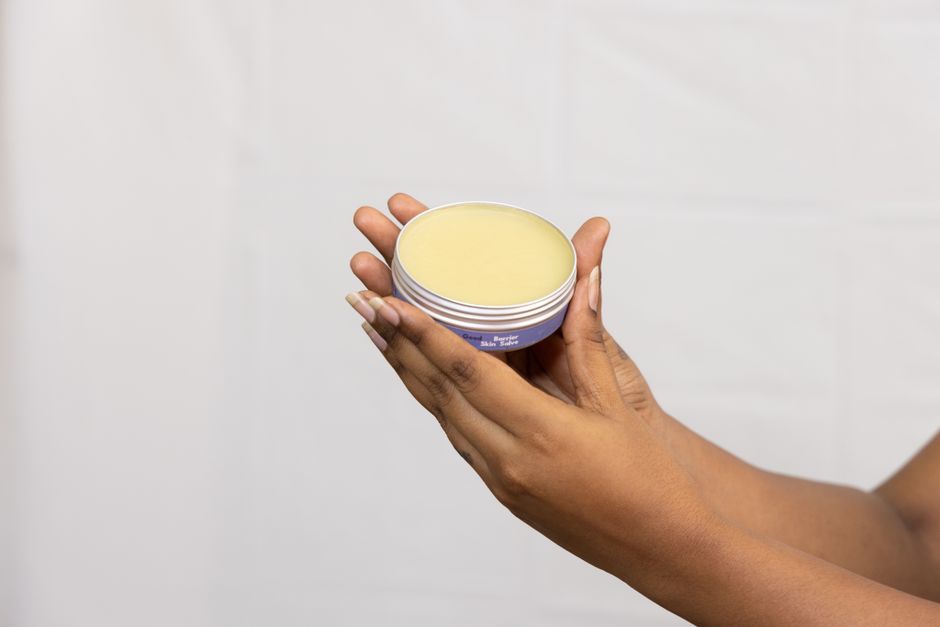
A moisturiser can feel just right during colder weather and a little too rich when milder mornings arrive. Choosing a lighter texture gives you a way to adjust the feel of your routine while keeping it comfortable. Begin with what you notice on your own skin and how your current products sit together. The most suitable choice should spread easily, feel pleasant after application and fit the rest of your morning. A seasonal change can be small and considered, guided by those everyday observations.
Choosing a Lightweight Moisturiser for Your Spring Routine
Lightweight describes a product’s feel, but the word can cover several different textures. A fluid lotion may leave a soft finish, a gel may feel more slippery during application, and a gel-cream may combine a light initial feel with a more cushioned finish. Packaging language gives you a starting point. The experience after applying the product tells you more about whether you enjoy wearing it.
Think about the finish you prefer before browsing. You might want something that settles with very little shine, or you may enjoy a soft sheen beneath makeup. Consider how much time you normally have between skincare and getting dressed. A moisturiser that fits your existing habits is easier to use consistently than one that makes the morning feel complicated.
Assess what your current cream is doing
Look at your face after your usual routine has settled. Does it feel comfortable? Is there a lingering layer you keep wanting to blot? Do your cheeks feel tight while the forehead looks shiny? Try describing the experience in plain terms. This helps you identify what you want to change without relying entirely on a broad skin-type label.
Also notice when the unwanted feeling appears. If the moisturiser feels comfortable alone but the full routine becomes heavy, the combination of products deserves attention. If the cream itself feels too substantial before anything else goes on, a lighter texture may be worth exploring. Keep track of what you actually apply so you can make a clear comparison.
Allow different areas to have different preferences
You may enjoy a lighter finish around the centre of your face while wanting more comfort on the cheeks. Apply thoughtfully rather than assuming every area needs an identical layer. If your existing cream still suits a few drier areas, you can reserve it for those places and assess whether a lighter product feels useful elsewhere.
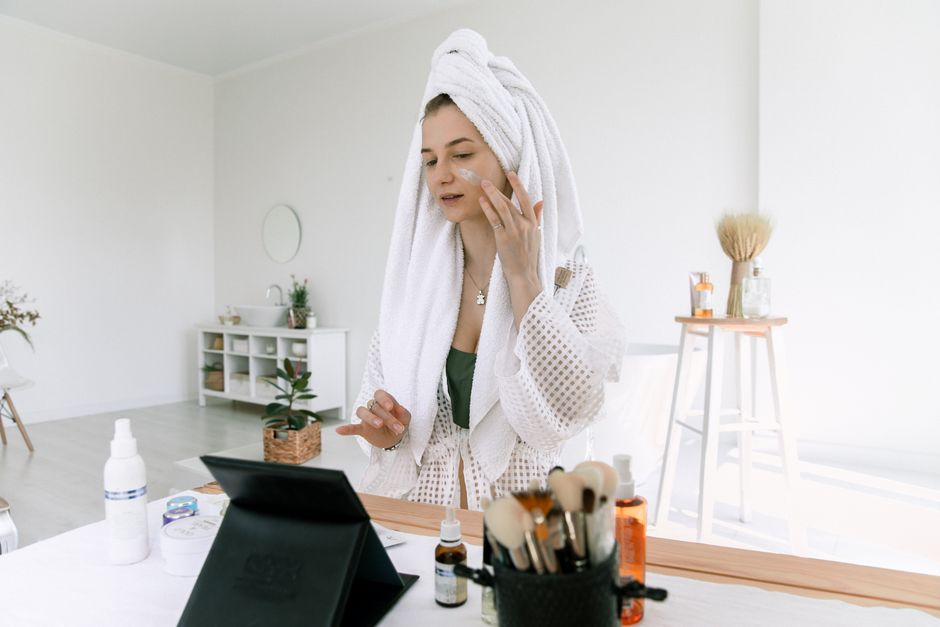
Compare textures with a clear purpose
A lotion is a practical place to start if you like a familiar cream feel with easier spreadability. Pay attention to what remains after the initial glide has gone. Some lotions feel almost invisible, while others leave a distinct film. Neither packaging thickness nor a quick touch on the hand fully predicts how the product will feel across your face.
A gel may appeal if you enjoy a fresh, light application. Check whether the finish stays tacky or becomes comfortable once settled. A gel-cream can suit someone who wants a little more cushion without a dense texture. These categories overlap, so treat them as descriptions that help you narrow the choice, then assess the particular formula.
If a sample is available, use it according to the directions before committing to a larger container. A brief texture check can help you decide whether you like the feel, though comfort over repeated use takes longer to judge. Avoid choosing entirely from a dramatic description on the front of the packaging. Focus on the everyday experience you want.
Read the label for the whole product
Start with the product’s intended use and application directions. Look for a facial moisturiser suited to the part of the routine you are updating. Check whether it includes additional exfoliating ingredients or other features you were not planning to introduce. A straightforward product makes it easier to evaluate the texture change without simultaneously changing several other parts of your routine.
If fragrance or particular ingredients have bothered you before, compare the full ingredient list with products you already know. Keep any established preferences in mind while reading the claims. Descriptions such as natural, botanical or luxurious describe different aspects of a product, and they offer little guidance about the exact finish you will enjoy on your skin.
Consider the container as well. A pump can be convenient on a busy morning, while a tube may fit neatly into your bathroom storage. Check that you can dispense the product with control. A lightweight formula is easier to assess when you can apply it deliberately, without accidentally dispensing far more than the directions suggest.

See how it fits into your actual morning
Introduce the moisturiser while keeping the rest of your familiar routine steady. Follow its directions and give it a moment to settle before adding the next product. Notice whether it remains comfortable beneath the products you normally wear. A lovely texture on bare skin can feel different once the whole routine is in place.
Keep your usual sun-protection step in the morning and follow that product’s instructions. When evaluating the moisturiser, pay attention to whether the combination feels excessively slippery or difficult to spread evenly. Choose the surrounding products you already understand while making the comparison, so you can concentrate on the difference made by the new texture.
If you wear foundation, test the combination on an ordinary morning. Use your familiar application method and look at areas where makeup tends to collect. If small rolls of product appear, consider the amount of skincare, the time between layers and how much you rub during application. Change one of those details at a time so the result is easier to interpret.
Judge comfort beyond the first application
The first impression matters, but check again later in the day. Notice how the cheeks, forehead and area around the mouth feel. Look for a finish you are comfortable living with, whether that is softly matte or lightly reflective. Avoid judging the moisturiser only at the moment it feels coolest or spreads most easily.
Use a simple set of observations to keep the choice grounded.
- Does the product feel pleasant once the initial wetness has settled?
- Can you apply your usual morning products without the layers becoming awkward?
- Do different areas of your face need a different amount?
- Does the packaging let you dispense the product easily?
- Would you enjoy using this texture on a normal, hurried morning?
If a new product feels uncomfortable, stop using it and reassess the choice. There is little value in forcing a texture into your routine because it sounds seasonally appropriate. Your own experience with the product should guide whether it earns a regular place on the shelf.
Keep the seasonal adjustment flexible
Spring weather can vary, and your preferred texture may vary with it. Keep a richer moisturiser available if it still suits you on cooler days or in selected areas. You can choose between familiar textures according to how your skin feels, without assigning an entire season to a single container.
Once you find a lightweight moisturiser you enjoy, keep the surrounding routine simple enough to recognise what works. The aim is a comfortable finish that fits your mornings and lets the next steps go on easily. A considered choice should make the routine feel more natural, with texture, application and everyday wear all working together.