
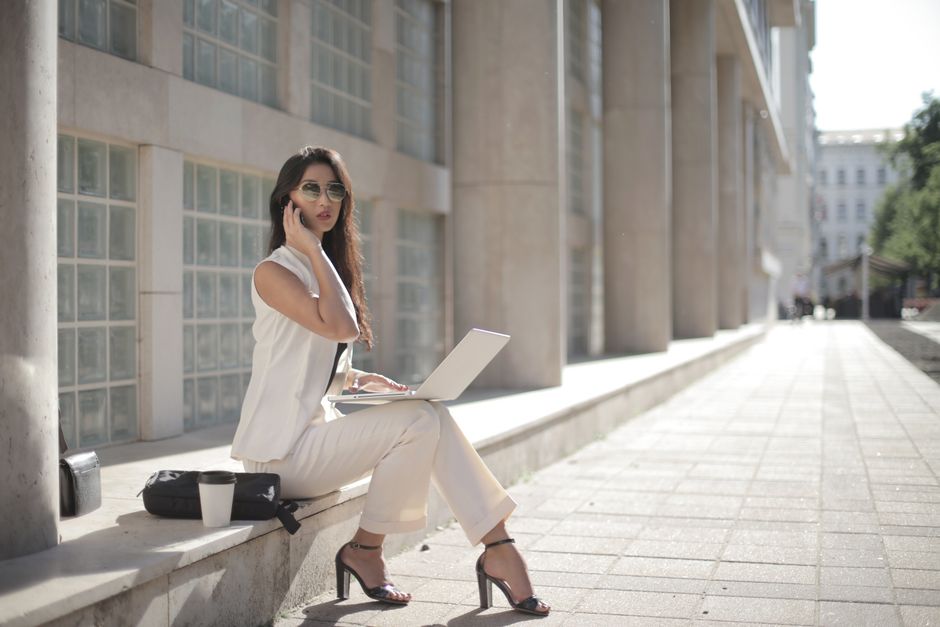
Getting dressed for a warm working day means balancing the journey to the office, the temperature at your desk and the expectations of your workplace. An outfit that feels pleasant beside an open window may feel stifling on a crowded commute. The most useful approach is to look at the whole garment: its fabric, lining, cut and the layers you actually need. A little structure can keep a summer outfit polished without requiring heavy tailoring.
Breathable Office Outfits for Warm Summer Days
Start with your office dress code rather than a generic idea of summer dressing. In a formal setting, that might mean full-length trousers, covered shoulders and closed shoes. A more relaxed workplace may allow sleeveless blouses and refined sandals. Within either framework, you can introduce space around the body, lighter construction and layers that come off easily. Comfort is easier to achieve when it is built into the outfit from the beginning.
Check construction before choosing a fabric
Cotton and linen are useful starting points, but a fibre label does not tell the whole story. A dense cotton shirt can feel heavier than a loosely woven blend, while a linen dress with a substantial lining can defeat your intention to travel light. Feel the fabric, look inside the garment and consider whether several layers sit over the same area. Prioritise pieces that feel comfortable against your skin.
Hold pale trousers or a skirt towards the light to check opacity, then try them on with the underwear you plan to wear. If they need an extra slip or substantial shorts underneath, a slightly weightier unlined fabric may be the simpler choice. Look for light pocket bags, minimal internal structure and seams that do not rub. These details matter just as much as the colour or the silhouette.
Give tailored trousers room to move
A straight or gently wide leg can create a professional outline while leaving space around your thighs and calves. Check the waistband while seated: a style that feels comfortable standing may press uncomfortably after lunch or during a long meeting. Pleats can add useful ease, provided they fall smoothly. Choose a hem that clears the floor in your everyday work shoes, especially if your commute involves stairs.
Pair navy trousers with an ivory cotton blouse and simple loafers for a dependable starting point. A soft front tuck can define the waist without pulling the whole blouse tightly against your body. If tucking adds uncomfortable bulk, try a shorter shirt that finishes neatly over the waistband. The aim is a deliberate proportion, with enough movement to reach, sit and walk without repeated adjustments.
Use a blouse as the outfit’s polished element
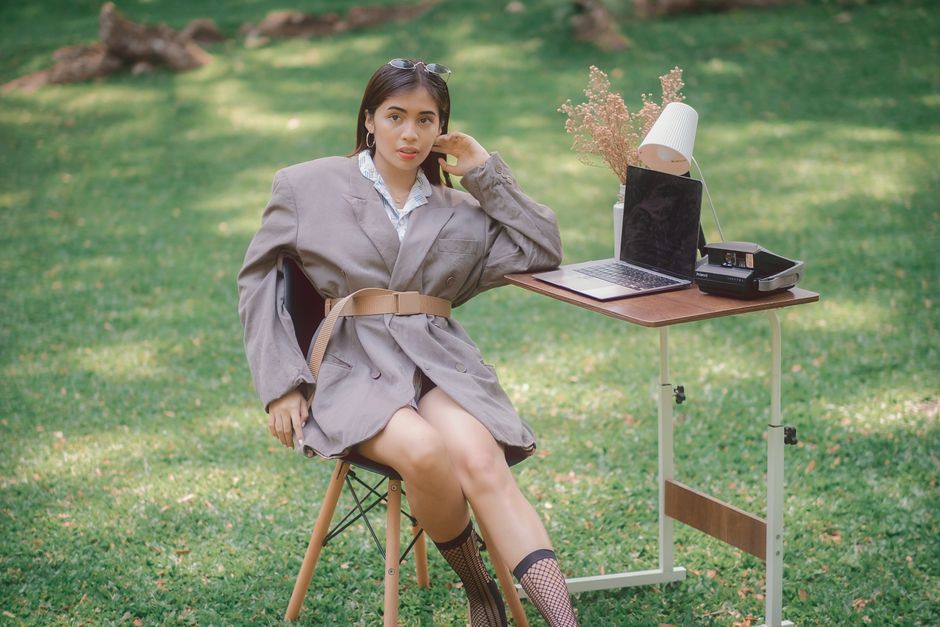
When trousers are relaxed, a blouse with a tidy collar, a shaped neckline or a clean button placket can supply the formality. Sleeves that finish around the elbow offer coverage without needing a jacket. Check that armholes allow movement and that buttons stay closed when you sit. A modestly loose fit is often more useful than sizing up dramatically, which can leave the shoulders and neckline awkward.
Colour can keep the combination interesting without adding accessories. Try pale blue with charcoal, muted green with cream, or a narrow stripe with plain trousers. If your workplace is conservative, small changes in texture can provide enough variety. Avoid relying on a sheer blouse that requires an additional full layer unless that combination already feels comfortable in warm weather.
Choose skirts and dresses for seated comfort
A softly shaped midi skirt can work well with a lightweight woven top. Check how the skirt falls when you walk, then sit down to see whether the waistband digs in or the hem rides higher than expected. A narrow pencil shape may suit your office, but it needs enough ease for a normal stride. A back vent should allow movement without becoming the focus of the outfit.
For a dress, look for an opaque fabric, practical armholes and a neckline that stays in place when you lean forward. A simple A-line shape offers room through the body while retaining a tidy outline. Add a narrow belt only if it improves the fit and feels comfortable. You do not need to create a sharply cinched waist to make a loose summer dress look considered.

Plan one removable layer for cool interiors
Air conditioning can make a warm-weather outfit feel unexpectedly chilly. Keep a fine cardigan or a lightly constructed jacket available, choosing the one your work actually requires. Check that its sleeves fit over your blouse without bunching. An open front often feels easier over a dress, while a short cardigan can sit neatly with a skirt waistband.
If a jacket is essential for meetings, look inside before choosing it. Less lining and lighter shoulder construction may make it easier to wear, although the overall fabric and fit still matter. Carry the jacket during the hottest part of your journey if you can. Keeping a suitable layer at work can also remove the need to build your entire commuting outfit around it.
Finish with shoes and accessories that earn their place
Choose footwear according to both the dress code and the distance you walk. Loafers, supportive flats and low block heels can all work with summer tailoring. Try shoes with the hosiery or discreet socks you intend to use, and check for rubbing before committing to a long day. Open footwear belongs only where it is appropriate for the workplace and its practical requirements.
A bag that holds your essentials without becoming overloaded is easier to manage on a warm commute. Keep jewellery light enough that it does not interfere with typing or catch on sleeves. One pair of small earrings or a simple watch can finish the outfit. A smooth belt and clean shoes often contribute more to a polished impression than several decorative additions.
Build a repeatable morning check
Before leaving, sit, raise your arms and walk across the room. Check any areas that pull, reveal more than intended or need constant straightening. Review the forecast alongside your schedule: a walking meeting and a day at a cool desk call for different adjustments. Keep a spare top at work if that would make an unpredictable commute easier to handle.
Once you find a combination that works, repeat its proportions with another blouse or a different skirt rather than rebuilding everything. Navy trousers, an airy woven top and an optional light layer form a useful template. The best summer office outfit supports the whole day, leaving you able to concentrate on your work instead of negotiating your clothes.