
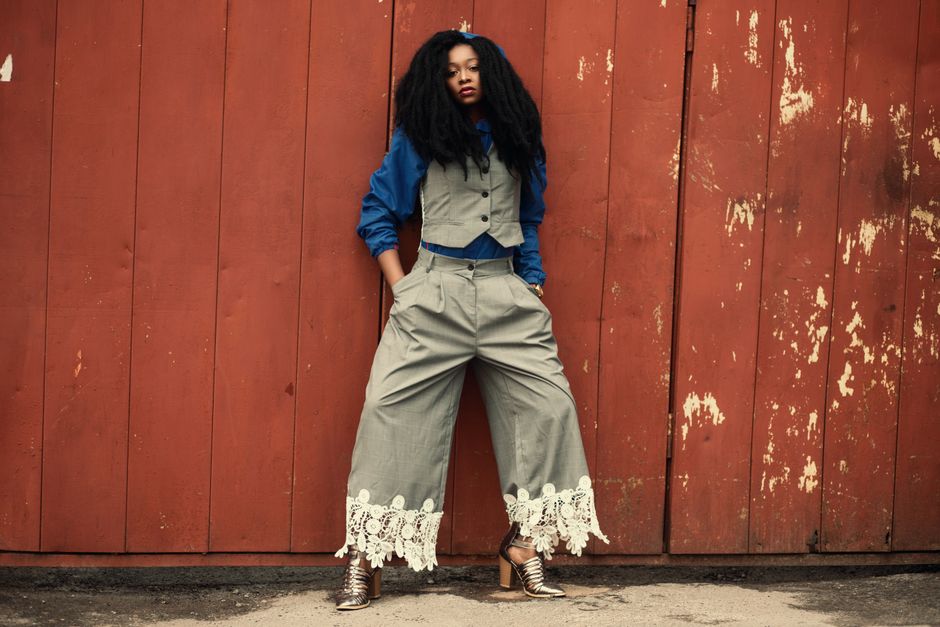
A waistcoat gives summer trousers a defined upper half without requiring a full jacket. Its button line, neckline and shaped hem can make even simple trousers feel considered. The useful styling question is how those details meet your waistband and trouser shape. Once that relationship feels comfortable, you can shift the outfit from relaxed to polished through a small change of underlayer, shoes or bag.
Ways to Wear a Waistcoat with Summer Trousers
Start with the waistcoat fastened as you intend to wear it, then try on the trousers. Check the outfit while standing, sitting and reaching forward. The fronts should lie comfortably rather than pull into horizontal lines around the buttons. If you want to wear the waistcoat as a top, make sure its armholes and neckline give you the coverage you prefer in movement.
Pay attention to the back as well. Some waistcoats have an adjustable strap, a contrasting panel or a hem that sits higher than the front. These details affect how much waistband is visible. Adjust the strap gently if the garment allows it, keeping the back smooth. Tightening it heavily to create shape can disturb the fit elsewhere.
Pair a short waistcoat with flowing trousers
A waistcoat that finishes around the waistband works particularly well with full trousers. It gives a clear point where the fitted upper shape meets the looser leg. Try a softly tailored pair with a flat front or gentle pleats, then check whether the waistcoat points cover those pleats neatly. Too much fabric trapped beneath the hem can make the middle feel crowded.
You do not need an especially tight waistcoat to balance a wide leg. A little ease through the body can look just as intentional, provided the shoulders sit well and the armholes do not gape. Let the trousers move freely rather than adding a tightly cinched belt purely to create contrast. The change in volume is already doing much of the styling work.
Finish with a sandal that has a clear, simple shape. If the trousers are long, check the hem with the actual shoes you will wear. Fabric dragging along the ground distracts from an otherwise clean silhouette. A compact shoulder bag can echo the waistcoat’s neatness while leaving the trousers as the more relaxed element.
Try a longer waistcoat with straight trousers
A longer waistcoat creates a different line, particularly with trousers that fall straight from the hip. Look for a length that clears the fullest part of any pocket or pleat without catching on it. An open lower front can help the garment move as you walk, but only unfasten buttons if the remaining closure still lies smoothly.
Keep the trouser waist comfortable underneath. A thick belt, gathered waistband and long waistcoat can create several overlapping layers in the same place. Try a smooth waistband first and add a belt only if it improves the outfit. If the waistcoat hangs awkwardly at the sides, another trouser rise or a different waistcoat length may solve the problem more effectively.
Wear contrasting separates with a shared colour mood
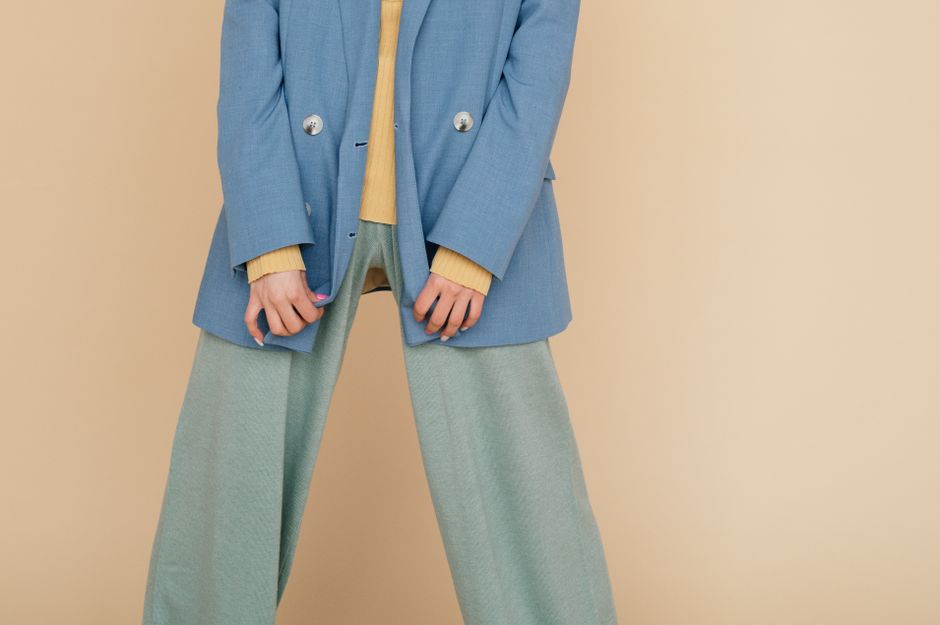
Your waistcoat and trousers do not need to match. A cream waistcoat with soft olive trousers gives a gentle contrast, while navy with pale stone feels more defined. Choose colours with a similar level of softness if you want the combination to look calm. Strong black against bright white creates a sharper effect and may need fewer accessories.
Fabric matters alongside colour. A crisp tailored waistcoat over loosely textured trousers can work, but make the difference feel intentional through simple finishing pieces. If two dark fabrics are almost the same shade yet visibly different, try a clearer contrast instead. This is especially helpful when the outfit seems slightly mismatched despite both pieces being attractive on their own.
Use your shoes or bag to connect the separates without trying to repeat every colour. A tan sandal can sit easily with cream and olive, while a dark shoe can ground pale trousers beneath a navy waistcoat. Jewellery can remain small and uncomplicated. The waistcoat already introduces buttons and a neckline, so it rarely needs several competing focal points.
Add a light underlayer when you want more coverage
A fine cotton T-shirt makes a waistcoat feel more casual and can help with low armholes. Choose sleeves that sit comfortably beneath the shoulder edge and a body that does not bunch at the waist. A smooth tuck works well if the trousers have enough room. Check the back view for any fabric caught under the waistcoat hem.
A slim vest creates a quieter neckline and leaves the arms uncovered. Decide whether you want its edge to show clearly or sit mostly inside the waistcoat opening. A nearly hidden neckline that appears only on one side can look accidental. Try the layers together before leaving, and adjust straps or choose a different shape if you keep needing to straighten them.
Change the mood with shoes and small details
For a daytime outfit, pair a softly structured waistcoat with loose summer trousers and flat sandals. A canvas bag or simple leather crossbody keeps the combination easy. If the waistcoat has a crisp collarless neckline, let that feature remain visible. A busy scarf or several long necklaces can obscure the clean shape that made the piece appealing.
For dinner, keep the same waistcoat and trousers but switch to a refined flat, slingback or low heel that suits your plans. Add a smaller bag and one noticeable piece of jewellery, such as earrings or a cuff. You can also sharpen the outfit by pressing the trouser crease or smoothing the waistcoat fronts before dressing, where the care label permits.
Refine the fit before adding more styling
If the outfit feels unfinished, identify the specific issue before buying another accessory. A waistcoat that pulls may need a different size or cut. Trousers that collapse over your shoes may need a hem adjustment. An awkward gap at the middle may disappear with a higher rise or slightly longer top. These changes have more effect than adding decorative detail.
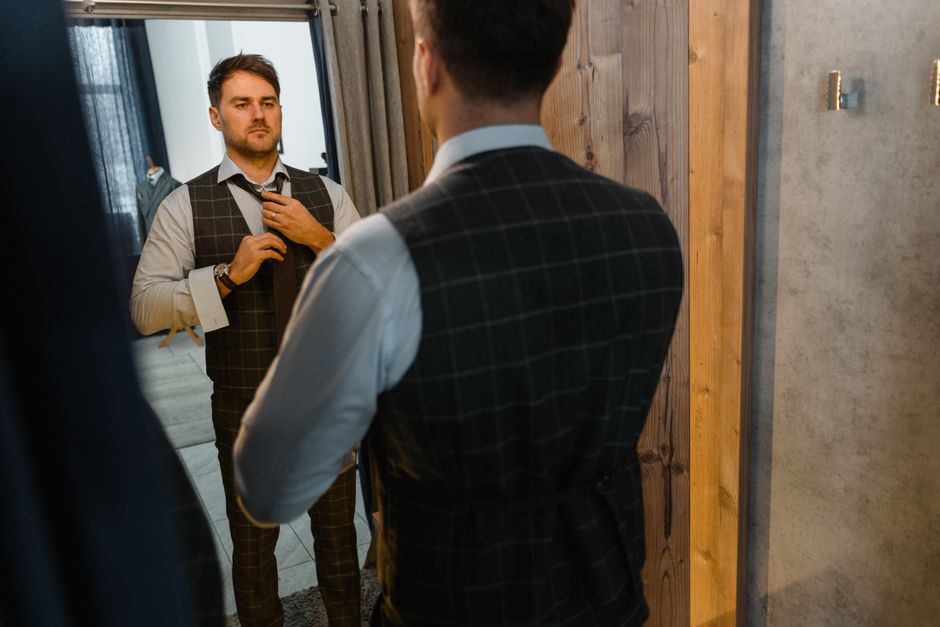
Finally, check the whole outline in a full-length mirror and take a few steps. You should be able to sit, move your arms and use your pockets without rearranging the outfit. Keep the combination that feels easy in motion, then repeat it with small colour or footwear changes. A well-chosen waistcoat can make familiar summer trousers feel newly purposeful without making getting dressed complicated.