

The best cold-weather capsule wardrobe is not a pile of beige basics. It is a small system that keeps you warm, gives each item several jobs, and still leaves room for personal style. Start with 12 to 15 useful pieces, build outfits around three layers, and buy only what solves a real gap.
How many pieces does a cold-weather capsule wardrobe need?
My recommendation is 12 core clothing pieces, plus shoes, accessories, and one serious coat. That number gives most people enough variety for work, weekends, travel, and indoor heating without turning the wardrobe into a storage problem.
The number works because winter clothing has a higher job count than summer clothing. A thin base layer can sit under a shirt, knit dress, blazer, or sweater. A wool overshirt can act as a light jacket in October, a middle layer in January, and an indoor layer when the heating feels weak. The goal is not to make every item match every other item. The goal is to make each item compatible with at least three outfits.
Use a three-layer outfit formula
Start with a base layer that manages sweat and keeps fabric comfortable against the skin. Add a middle layer for warmth, then finish with an outer layer that blocks wind or rain. These layers solve different problems. A thick sweater may keep you warm indoors but cannot replace a windproof coat. A padded jacket may hold heat but feel uncomfortable over a bulky knit.
A useful 12-piece core can include two base tops, two fine-gauge knits, one thick sweater, two trousers, one skirt or knit dress, one overshirt or blazer, one insulated jacket, one weatherproof coat, and one versatile evening piece. Adjust the balance for your climate. Someone in wet Glasgow needs stronger rain protection than someone in dry Denver. Someone who walks to work needs more outdoor performance than someone who drives.
Choose a color system before shopping
Pick two neutral colors, one light color, and one accent. Navy, charcoal, cream, and burgundy create more outfit combinations than six unrelated colors. Repeat the same metal tone in jewellery and hardware if you want the wardrobe to feel pulled together. A gold hoop, burgundy scarf, or patterned sock can add personality without creating a new outfit category.
Do not count an item as useful just because it looks good alone. Count it after testing it with your existing trousers, shoes, and coat. If a new top works with only one bottom and requires a special bra or delicate cleaning, it has a higher cost than its price tag suggests.
Build the winter layer system before you buy
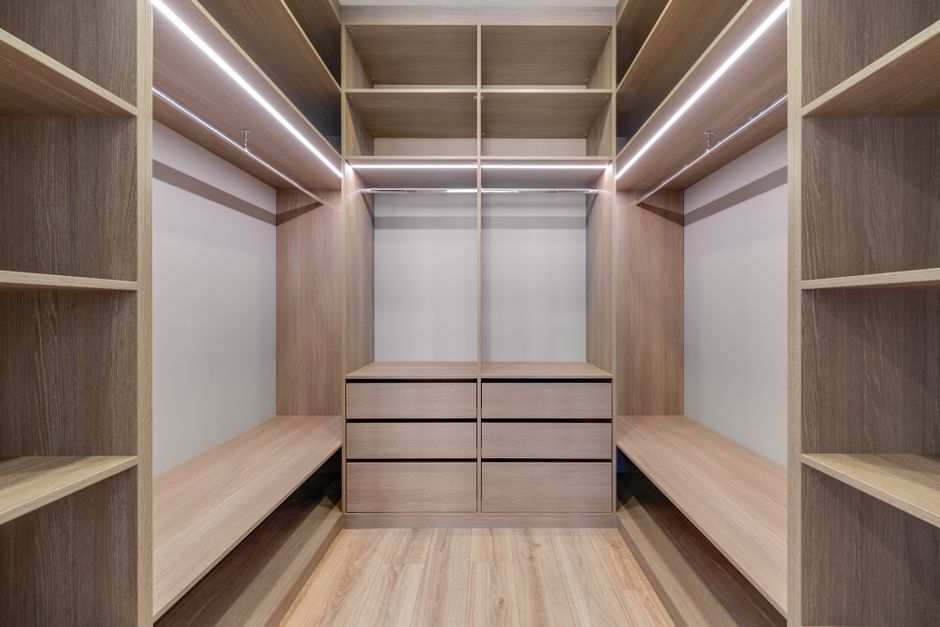
The buying order matters. Start with the layer that touches your skin, then solve insulation, then solve weather. This prevents the common mistake of buying a dramatic coat while still lacking comfortable basics underneath it.
| Layer | What to look for | Real example | 2026 listed price | Verdict |
|---|---|---|---|---|
| Base | Thin, close fit, washable, no bulky seams | UNIQLO HEATTECH Ultra Warm Crew Neck | About $39.90 | Best for cold commutes under loose knits |
| Fine knit | Merino or cotton blend, easy to layer | UNIQLO Extra Fine Merino Crew Neck | About $49.90 | Best value for office outfits |
| Insulation | Lightweight warmth, room for a base layer | Patagonia Women’s Nano Puff Jacket | $239 | Best for wet, changeable weather |
| Warm coat | Long enough to cover the seat, high collar, lining | The North Face 1996 Retro Nuptse Jacket | About $320 | Best for dry cold, not steady rain |
| Boot | Grippy sole, weather-resistant upper, real walking comfort | Blundstone 585 Classic Chelsea | About $220 | Best one-pair choice for casual winter dressing |
The table shows why one expensive item cannot carry the whole wardrobe. The Patagonia Nano Puff uses 60-gram PrimaLoft Gold Eco insulation and weighs roughly 309 grams in the women’s jacket, so it works well as a packable middle layer. It is not a substitute for a long rain shell in heavy storms. The North Face Nuptse gives stronger warmth for dry, cold days, but its puffer shape creates a different silhouette and does not suit every outfit.
For most wardrobes, the strongest first purchase is a washable fine merino sweater rather than a second coat. It works under tailoring, over a base layer, and with jeans or a skirt. Buy the insulated jacket next if you spend time outside. Buy the premium coat last, after you know which length, color, and hood shape you will actually wear.
Which winter pieces deserve the biggest budget?
Spend the most on the item that protects you from your actual weather, not on the item with the most fashionable label. For a cold, wet city, the clear winner is a long weatherproof coat worn over a medium-weight knit; for dry temperatures below freezing, a well-filled insulated jacket earns the budget; for a mild winter with short outdoor trips, a $49.90 merino sweater and dependable boots solve more daily problems than a $300 statement coat, so buy the Patagonia Nano Puff at $239 only when you need a light warm layer that can handle damp conditions, choose the North Face 1996 Retro Nuptse at about $320 for dry cold and a bold puffer shape, and choose the Blundstone 585 at about $220 when one pair of boots must handle errands, travel, and casual outfits; my firm buying order for most readers is one washable base, one fine knit, one pair of comfortable trousers, one insulated layer, and one weatherproof outer layer, because those five pieces create a usable system before you add trend pieces.
Five mistakes that make a small winter wardrobe fail
A small wardrobe fails when it saves space on paper but creates friction every morning. Use these checks before removing or buying anything.
- Buying the wrong level of warmth. A thin fashion coat cannot replace insulation in freezing weather, while a heavy puffer can feel miserable on a heated train. Match the coat to the longest outdoor stretch in your day, not the temperature you see from the office window.
- Ignoring movement room. Try every coat over your thickest planned sweater. Raise both arms, sit down, and zip it fully. Tight shoulders turn a technically warm coat into a coat you avoid.
- Choosing delicate fabrics for high-use jobs. Cashmere feels excellent, but a cashmere sweater should not be your only everyday knit if you dislike hand washing. Keep one easy-care merino or cotton blend for repeated wear.
- Owning too many similar bottoms. Three black trousers do not create three different outfits. Keep one straight pair, one relaxed pair, and one dressier shape only if each works with your shoes and layers.
- Forgetting the feet and neck. Warmth leaks through thin socks, open collars, and slippery soles. A wool scarf, dense socks, and boots with reliable traction can improve a modest outfit more than another sweater.
There is also a style mistake: treating “minimal” as a ban on colour or jewellery. Keep the core quiet, then use one visible detail such as a red scarf, sculptural earrings, a textured bag, or a printed skirt. The wardrobe stays small without looking anonymous.
Cold-weather capsule questions, answered

Can one coat cover every winter situation?
No. One coat can cover most of your calendar, but it cannot be equally good at wet weather, deep cold, formal dressing, and indoor transitions. If you want one outer layer, choose a knee-length coat with a hood or high collar, room for a sweater, and a fabric that handles light rain. Add a compact insulated layer only when your climate or commute demands it. A second coat should solve a different problem, not provide another version of the first.
Is merino wool better than synthetic base fabric?
For a small wardrobe, merino usually wins because it resists odour and works across a wider temperature range. A fine merino sweater such as the UNIQLO Extra Fine Merino Crew Neck, listed around $49.90, offers an accessible starting point. Synthetic HEATTECH layers, such as the UNIQLO HEATTECH Ultra Warm Crew Neck at about $39.90, make more sense for long outdoor commutes or people who prefer fast-drying fabric. Do not buy merino if wool makes your skin itch; comfort determines wear frequency.
When should you not buy another winter piece?
Do not buy it when you cannot name three outfits using clothes you already own. Do not buy a puffer that makes your coat closet full but leaves you without rain protection. Do not buy boots with a smooth sole for icy pavements, even if the leather looks polished. The right capsule feels slightly repetitive in the mirror but highly reliable in real life: the base layer stays comfortable, the middle layer adds warmth, the outer layer handles the forecast, and one small accessory gives the outfit a point of view. That is how fewer pieces solve the cold morning that started the search.