

Wool can absorb roughly 30% of its weight in moisture before it feels wet, which explains why a good wool coat works across more weather than its polished appearance suggests. I have worn one through office commutes, cold train platforms, weekend lunches, and sudden restaurant plans. The styling trick is not buying a new coat for every setting. It is changing the layers, shoes, and bag underneath the same coat.
The best version has enough room for a knit, a clean shoulder line, and a hem that covers at least most of your seat. Get those details right and one coat can make jeans look deliberate, a work dress look sharper, and a simple trouser outfit feel finished.
Choose the wool coat by fit before colour
Start with the shoulder and sleeve
Try the coat over the thickest layer you expect to wear. For most people, that means a medium-weight jumper rather than a thin blouse. The shoulder seam should sit close to your natural shoulder, but you should still be able to reach forward without pulling across the back. A sleeve that ends at the wrist bone works with gloves and lets a shirt cuff show. If you prefer a longer, relaxed shape, the sleeve can cover the wrist but should not swallow the hand.
Use length to control the outfit
A coat that ends around mid-thigh is the easiest length for work trousers, straight jeans, and midi skirts. A longer coat creates a cleaner vertical line with wide-leg trousers and dresses, while a shorter pea coat suits high-waisted denim and flat shoes. I avoid a hem that stops at the widest part of the calf because it can make the outfit look chopped in half. If you wear skirts often, choose a coat that reaches the skirt hem or falls several centimetres below it.
Read the fibre label and lining
Do not judge quality from softness alone. A brushed, soft wool blend can pill faster than a firmer fabric with a smoother finish. Check the percentage of wool, the lining, the weight, and the way the front closes. A coat with at least 60% wool usually has better warmth and recovery than a very thin fashion blend, but a dense 50% wool coat can still beat a loose 80% blend. The lining should glide over knitwear instead of catching on it. For a first coat, I prefer charcoal, camel, dark navy, or black because these shades handle both office tailoring and casual denim without looking forced.
Build a work outfit in three deliberate steps

For work, the coat should support the outfit rather than compete with it. I use this order because it stops the common mistake of styling the outer layer first and discovering that the proportions underneath do not work.
- Choose the base shape. Start with one clear line: straight trousers with a fitted knit, a column dress, or a pencil skirt with a tucked shirt. Avoid combining a very loose top, wide trousers, and an oversized coat unless the rest of the look is intentionally minimal.
- Add one visible texture. A fine merino jumper, a silk scarf, polished leather, or a ribbed knit gives the outfit depth. Two textures are enough. Wool coat plus chunky knit plus bouclé bag can become bulky around the neck and shoulders.
- Match the shoe to the coat length. An ankle boot with a low heel works with cropped trousers. A knee-high boot creates a smoother line under a midi skirt. Loafers look sharper when the trouser hem stops just above the shoe rather than pooling over it.
- Keep the bag structured. A medium leather tote or clean shoulder bag balances a soft coat. A large slouchy bag can make an oversized coat look untidy, especially when the coat already has dropped shoulders.
- Finish with one contrast. Use a pale scarf with navy, burgundy shoes with camel, or a silver watch with charcoal. One strong contrast looks intentional; five small accents look like separate decisions.
My reliable office formula is a charcoal coat, black straight-leg trousers, a cream fine-knit jumper, pointed ankle boots, and a structured bag. It works for a normal desk day and still looks appropriate when the calendar adds a client meeting.
Compare coat shapes before you spend money

Useful 2026 price and styling benchmarks
Prices move by country and sale period, so treat these as listed reference points rather than permanent figures. I included different price levels because a coat should be judged by its role in your wardrobe, not by an assumption that the most expensive option automatically styles best.
| Coat | Listed price | Best use | Styling verdict |
|---|---|---|---|
| Uniqlo Wool Blend Relaxed Long Coat | €109.90 | Budget everyday wear | Best value for jeans, knitwear, and relaxed office outfits |
| Mango Handmade wool coat with belt | $249.99 | Soft feminine tailoring | Best if you want a defined waist and a dress-friendly shape |
| J.Crew Double-breasted peacoat in wool-blend melton | $298 | Shorter work-to-weekend styling | Best with trousers, denim, and flat boots |
| COS Tailored double-faced wool long coat | $449 | Minimal wardrobe | Best for a long, clean line over tailoring and dresses |
| Max Mara Wool broadcloth robe coat | $1,295 | Long-term investment dressing | Best for a dramatic wrap shape and frequent formal wear |
The clear budget winner is the Uniqlo Wool Blend Relaxed Long Coat because its long, loose shape gives you room for layers without needing a large wardrobe around it. For a sharper office coat, the COS Tailored double-faced wool long coat makes more sense than a short peacoat because it covers dresses and wide trousers cleanly. The Max Mara option is a luxury purchase, not a magic styling solution. Do not buy it if you mainly wear technical outerwear, commute in heavy rain, or rarely dress up. Spend less and choose a coat you will actually reach for.
Fix the coat problems that make outfits look cheap
Why does my coat look bulky?
Usually the issue is not the coat alone. It is a thick jumper, a wide sleeve, and a large scarf stacked under a coat with dropped shoulders. Replace one bulky layer with a fine merino or cotton knit, then leave the scarf outside the lapels instead of wrapping it several times around the neck.
Why does my coat look too formal with jeans?
Use contrast on purpose. Straight-leg denim, a simple crew-neck jumper, and clean trainers make a tailored coat feel current. Avoid distressed skinny jeans and delicate ballet flats with a heavy long coat; the scale often feels uneven. A leather belt or crossbody bag can connect the casual pieces to the coat.
When should I not buy a wool coat?
Do not buy one as your main outer layer if your daily commute involves constant rain, muddy walking, or high activity. Wool handles light moisture well, but a waterproof shell or insulated parka will protect you better. Do not buy an oversized style if you already struggle to fit coats over your shoulders, or if your wardrobe is mostly slim dresses that need a close, clean outer layer. A shorter wool-blend pea coat is the better choice for petite frames, frequent car travel, and outfits built around high-waisted trousers.
My final wool-coat recommendation
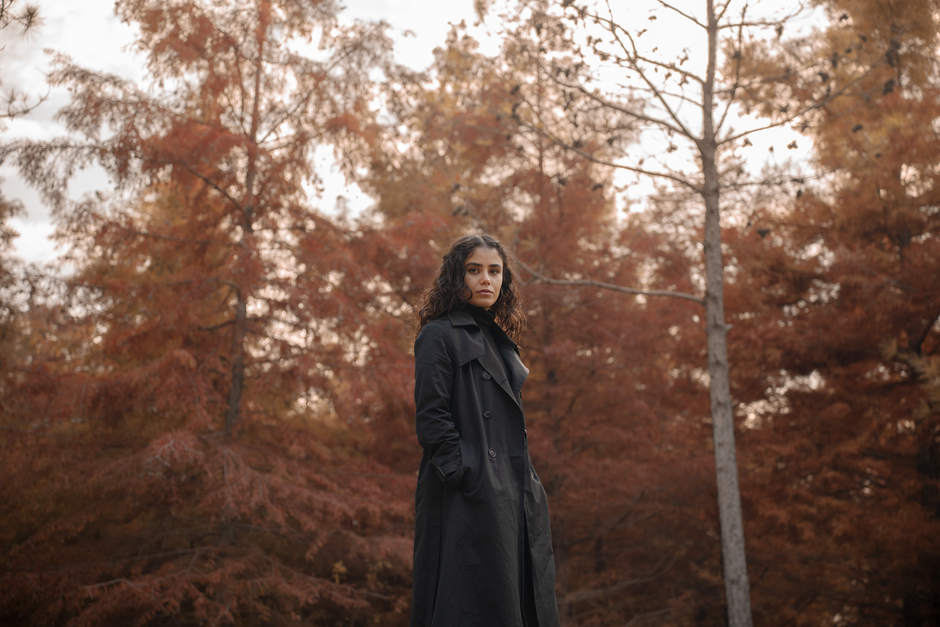
Pick the shape that solves your real wardrobe problem
For the most useful work-and-weekend coat, I would choose the COS Tailored double-faced wool long coat in a dark neutral. Its long line handles trousers, skirts, and dresses, while the clean shape still works with jeans and trainers. The listed US price was $449 in 2026, so it is not a casual impulse buy, but it earns its place if you wear a coat several times a week and want one piece to cover most outfits.
If that price is too high, buy the Uniqlo Wool Blend Relaxed Long Coat at the listed €109.90 reference price. It gives you more room for knitwear and works especially well with denim, flat boots, and casual office clothes. Choose the J.Crew wool-blend melton peacoat instead if you prefer a shorter coat and wear tailored trousers more often than dresses.
Before buying, try the coat over your thickest jumper, sit down in it, lift your arms, and check the lining at the underarm. For a single dependable purchase, choose a dark neutral, a mid-thigh or longer hem, and enough shoulder room for real winter layers. The COS long coat is my clear pick for a polished wardrobe; the Uniqlo long coat is the smarter choice when budget matters more than fabric finish.