
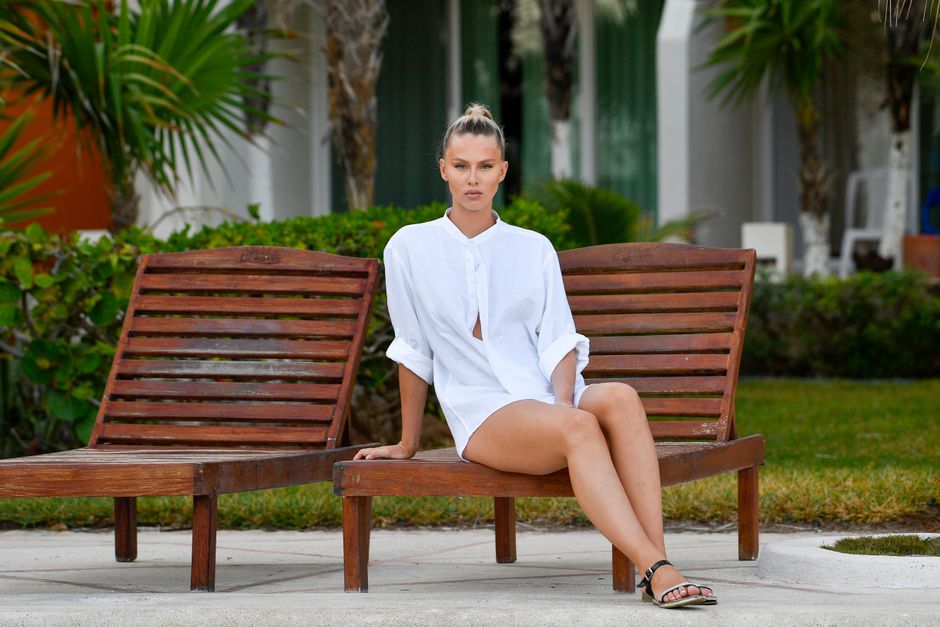
A small holiday wardrobe works best when its pieces combine easily and suit what you will actually do. Linen separates are a useful starting point because a shirt, trousers and a skirt can change character with different pairings. The challenge is to avoid packing several versions of the same outfit while forgetting something practical. Build around your itinerary, the forecast and your laundry options, then give each item a clear reason to take up space.
A Small Holiday Wardrobe Built Around Linen Separates
Think of linen as the centre of the wardrobe rather than a requirement for every garment. A simple cotton top, a comfortable travel layer and suitable underwear can make the linen pieces much easier to use. Choose clothes that fit your present plans and feel good when you sit or walk. A suitcase full of appealing individual items is less useful than a modest collection of complete outfits.
Start with the days you are packing for
List the kinds of activities on your trip: travelling, sightseeing, relaxed lunches and perhaps a dinner with a dress code. Check whether you need covered shoulders, longer hems or footwear suitable for uneven ground. Consider what you would wear if the weather became cooler or wetter than expected. A small wardrobe needs to handle ordinary changes without depending on perfect conditions.
Be realistic about repeating clothes. If you are happy to wear trousers several times with fresh tops, plan around that. If you expect to wash pieces, check their care labels and whether your accommodation offers a practical place to dry them. Do not build the whole packing plan around hand washing an item that requires more careful care than the trip allows.
Choose a compact palette with one point of interest
Begin with a dark or mid-tone neutral for a frequently worn bottom, then add a lighter shade and a colour you enjoy. Navy, cream and muted green are one possibility; chocolate, pale blue and white are another. The exact colours matter less than whether your tops work with your bottoms. Lay everything together in daylight and remove any piece that needs its own special supporting outfit.
A stripe, subtle check or textured weave can provide variety without complicating the combinations. Keep the print compatible with both your main bottoms. You can also make plain pieces feel different through a rolled sleeve, an open shirt or a change of earrings. Accessories help, but the clothes should already form convincing outfits before you add them.
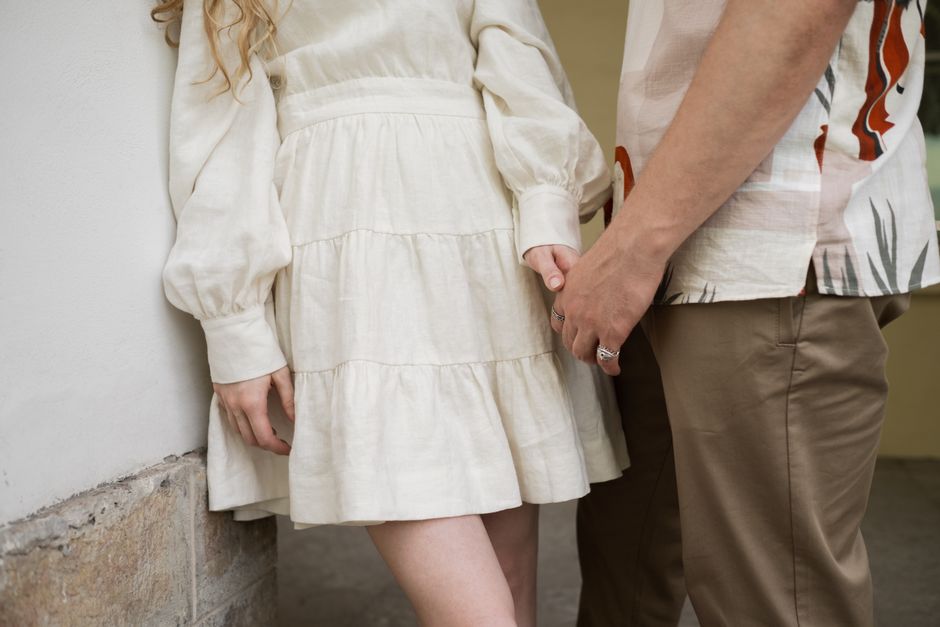
Give each linen separate a distinct job
A shirt that works open and closed
Choose a shirt with enough room to wear over a simple top, but with shoulders and sleeves that still look tidy when buttoned. Check whether it tucks comfortably into your chosen bottoms. A very long hem may create bulk, while an extremely cropped shape offers fewer combinations. An opaque fabric gives you more freedom to wear the shirt alone when that suits the setting.
Trousers for walking and sitting
Try the trousers with the shoes you will pack and check that the hems clear the ground. The waistband should remain comfortable through a meal or a journey, and pockets should hold their shape without gaping. A straight or relaxed leg can work with both a neat top and a loose shirt. Choose the cut you already enjoy wearing rather than a holiday-only experiment.
A second bottom with a different silhouette
A linen skirt can offer a useful change from trousers without requiring another set of tops. Check walking ease, opacity and how the waistband behaves when seated. If shorts fit your plans better, choose those instead. You do not need both simply to make the wardrobe look complete on a packing list. Each addition should cover a real preference or activity.
Build outfits before putting anything in the case
For a daytime outing, try the trousers with a simple top and wear the shirt open if you want another light layer. For lunch, button the shirt and pair it with the skirt. For a relaxed dinner, return to the trousers with a more refined neckline and a small pair of earrings. These changes should feel natural, without requiring complicated folding or fastening tricks.
Try each combination on, including the underwear and shoes. Pale linen can look different in strong light, and an outfit may need a smoother underlayer than expected. Check that no top requires a bra you were not planning to bring. A quick photograph of successful combinations can serve as a reminder when you are getting dressed away from home.
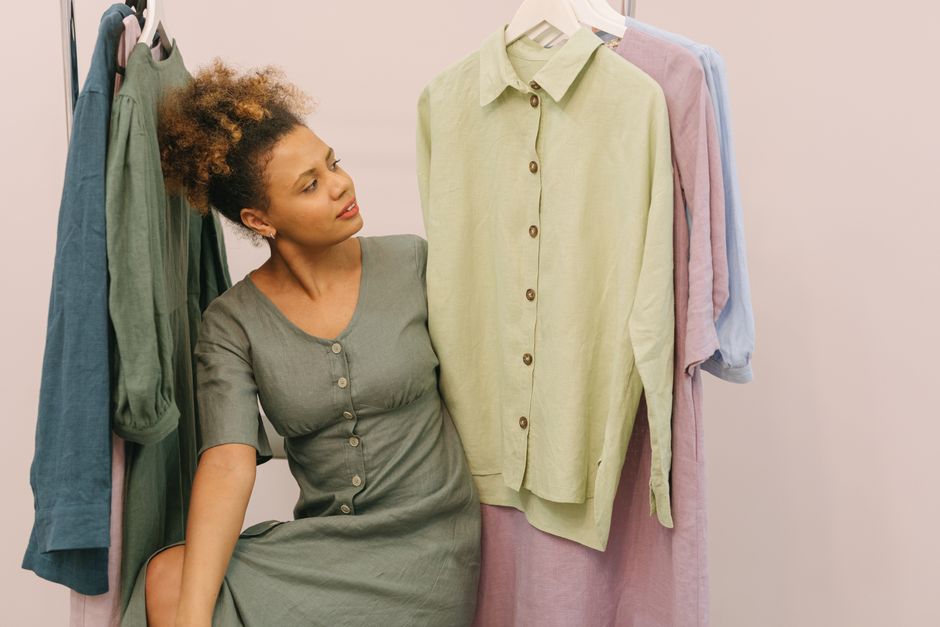
Pack shoes and layers around the same outfits
A comfortable walking shoe should work with the trousers and the skirt, rather than belonging to a single travel outfit. Add a second pair only when it serves a useful purpose, such as a neater option for dinner or footwear required for a particular activity. Try the actual pairings before leaving; a hem that suits sandals may catch beneath a flatter shoe.
Include a light cardigan or another layer appropriate to the forecast and your journey. It should fit over the shirt without restricting your arms. If rain is likely, consider suitable outerwear rather than assuming linen will meet every condition. Travel in the bulkiest practical pieces when that makes sense, keeping the bag for items that fold more easily.
Accept creases and plan manageable care
Linen develops creases during wear, so choose silhouettes whose relaxed texture you enjoy. There is little value in packing a pair of trousers you only like immediately after pressing. Unpack and hang garments when you arrive if possible. Follow care labels for washing, ironing or steaming, and check whether suitable equipment is available before relying on it.
Keep clean pieces away from damp swimwear, used shoes and leaking toiletries. Fold garments without crushing them beneath unnecessarily heavy items. If you intend to wash a top during the trip, allow enough time for it to dry fully before packing again. A spare simple top can be more useful than another elaborate linen piece when laundry plans change.
Edit the final selection
Look for duplicates that do the same job. Two nearly identical pale shirts may offer less flexibility than one shirt and a comfortable knit top. Remove accessories that work with only a single outfit unless that outfit has a specific purpose. Keep any necessary specialist clothing, even when it sits outside the main palette; practical requirements take priority over a perfectly coordinated suitcase.
Your finished wardrobe should make the next choice obvious: trousers or skirt, a fresh top, shoes suited to the day and a layer if needed. Leave a little room for the clothes to settle rather than packing to the zip. The reward is a collection you can wear repeatedly with small changes, making linen separates useful companions throughout the trip.